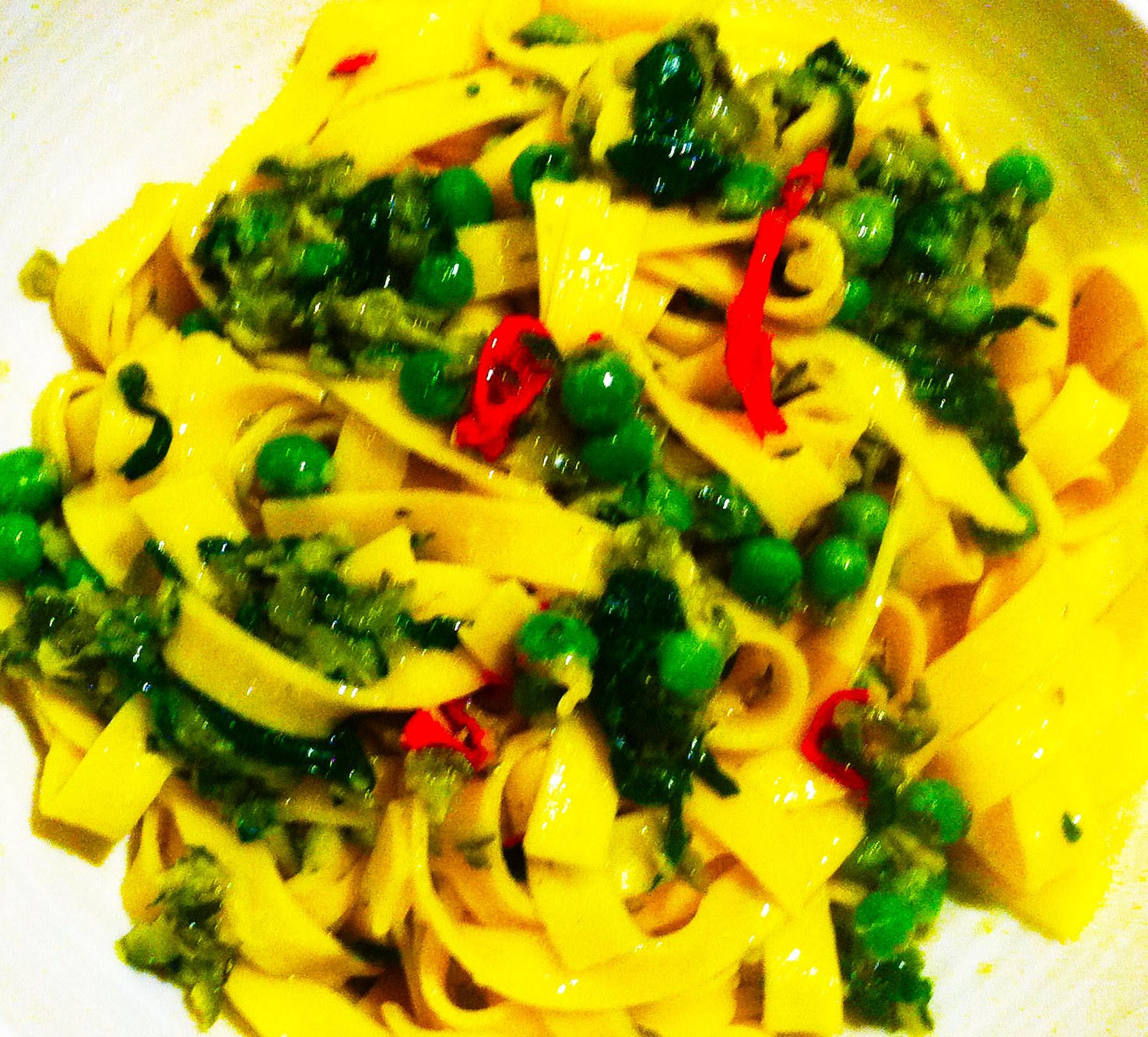
Pasta with Confit of Zucchini, Peas, Garlic, Chilli, Spinach and Pecorino

A couple of times a week, I’ll serve up a vegetarian meal. My family adores pasta in any form, and this recipe is a firm, family favourite. Its light and delicious, and we love the way the zucchini takes on a rich, almost buttery flavour. 100ml sounds like a lot of olive oil, but somehow it all gets absorbed into the sauce.

I’m not quite sure where this recipe came from but I have a hazy recollection of tearing the original recipe out of Sunday paper magazine supplement many years ago when my children were very young and my brain was hazy. It has the style of a Karen Martini recipe, and I hope I haven’t deviated too much from the original.

Pasta with Confit of Zucchini, Peas, Garlic, Chilli, Spinach and Pecorino

Serves 5

500gm tagliatelle
100ml (scant 1/2 cup) extra virgin olive oil
4 large cloves garlic, finely sliced
1 teaspoon sea salt
1 long red chilli; deseeded and finely sliced
6 medium zucchini, coarsely grated
1 cup fresh or frozen peas
1/2 cup dry white wine
100gm baby spinach; shredded
100gm pecorino cheese, grated

  1. Place olive oil, garlic, chilli and salt in a large heavy-based pan ( Le Creuset or similar) over medium heat.
  2. Cook for two minutes, then reduce heat to very low (I like to use a simmer mat) and add grated zucchini.
  3. Simmer for about 40 minutes, stirring occasionally. Zucchini will collapse and turn golden and soft.
  4. Add wine and peas, cook for 5 minutes, then add spinach and stir to combine. Check seasoning.
  5. Meanwhile, cook pasta in plenty of lightly salted water for 10-12 minutes or until al dente. Drain
  6. Add cooked pasta and pecorino cheese to the zucchini confit mixture. Stir to combine.
Posted in Pasta, Vegetables, Vegetarian, What I Love to Cook | Tagged , , , , , , , , , , | Comments Off on Pasta with Confit of Zucchini, Peas, Garlic, Chilli, Spinach and Pecorino

No Doubt About It. Writing a Recipe that Works is No Easy Feat.

I love the buzz and anticipation of sourcing and trying out new recipes, but I have to say there is no greater frustration and disappointment than the recipe that simply doesn’t work.  You know the ones I am talking about. Firstly, they seduce you with a glossy, inviting  picture; full of promise and hope. You’re hooked, you scan the ingredients and think  to yourself  “I can source those”.  Your eye travels further down the page and you think to yourself  ” That sounds reasonable, I can do that”.  Inspired, you save the recipe.  Judgement day arrives. You’re ready to cook. You meticulously follow the instructions and  quelle horreur,  the sad realisation slowly  dawns  ‘This recipe simply doesn’t work”.

It might be a crucial ingredient that is missing, or worse the floating item in the ingredient list that doesn’t make an appearance anywhere else in the recipe. It might be imprecise measurements or vague instructions. No oven temperatures, no cooking times, no guidelines as to serving sizes. The list goes on, and on, and on.

Embarking on the writing of this blog, I have suddenly discovered  how hard it can really be to commit a recipe you  cook often and well into its written form. This blog is essentially a recipe journal of food I love to eat. I truly want each of the recipes I publish here to work. I want them to be fresh, delicious and easy to follow. I want  my readers to think – yes I can cook that – and actually do just that.

One of my first blogs too Late for Lunch, Too Early for Dinner – It Must be Linner showcases Slow-Roasted Pork Belly and Coleslaw. There’s a blurb, there’s a photo but no actual posted recipe.  Now, that’s not because I don’t want to share that recipe with you. I truly do. I have cooked that meal more times than I care to remember but it’s all in my head. To make matters even more complicated, every time I cook that meal I improvise according to how many people I’m cooking for and what’s in season. The challenge was to get the recipe out of my head and onto the page in a logical and coherent fashion. And that in itself was a long, convoluted process.

Thanks to my long-suffering husband and children  who have endured  three  bouts of Slow Roasted Pork Belly and Coleslaw in a very short time frame,  I finally have a recipe I’m happy with.  I wanted to actually cook the recipe I had scribed from memory before I posted it, and iron out any obvious glitches. Now that was a challenge for me, cooking exactly to the recipe with no deviations. I’m hoping there are no errors, and the processes are easily understood. Please let me know; after  all  a fledgling recipe writer can only learn from her mistakes. No doubt about it, writing a recipe that works is no easy feat.

Link to my recipes:

Slow Roasted Pork Belly Scented With Fennel

Coleslaw with a Simple Vinaigrette

Posted in Musings & Inspiration, What I Love to Cook | Tagged , , , , , , | 1 Comment

It’s All About The Crackling – Slow Roasted Pork Belly Scented with Fennel

Everyone loves great crackling – good crackling is crispy and light, its sinful, delicious and very moreish. Everyone also seems to have their own special theory  on what it takes to achieve sublime crackling. Personally, I think it’s all in the preparation of the pork belly in the first place. Once that’s taken care of – the rest of the dish is a snap – put it in the oven and virtually forget about it for a few hours if you can ignore the wonderful aromas wafting through the house. I like to roast pork belly using fennel with my aromatics – to maximise flavour I like to also use a herb and spice rub taking care to season the pork flesh only.

Preparing the Pork Belly in 3 easy steps

My secret to sublime  pork crackling can be summed up  in three words – scoring, blanching, drying

For the very best crackling you need to start this recipe the day before. But I must confess that on occasion I have been caught out, and have only allowed about two hours for the pork belly to dry in the fridge after blanching.

  1. Scoring. Starting the day or night before take the 2 kg  piece of pork belly. Using a very sharp knife (a stanley knife is perfect for this job) score the rind without cutting through to the meat – vertically, horizontally or even in a criss cross pattern, it really doesn’t matter. This allows the heat to render the fat beautifully. If you cut too deep and reach the meat, you will allow juices to escape as well which gives a less tender and luscious end result. If you prefer you can even ask the butcher to score the pork  for you. How easy is that.
  2. Blanching. Boil a kettle. Place the pork belly skin side up on a wire rack in a baking dish (or even the kitchen sink as I like to do) and pour over the entire contents of the kettle. This blanches the pork rind.
  3. Drying. Pat dry with paper towels and place covered in the refrigerator over night.

Slow Roasted Pork Belly Scented with Fennel

Serves 6 -8

2kg piece boneless pork belly; scored, blanched and dried
1  tablespoon salt, for rubbing into the scored rind

For the herb rub

4 cloves of garlic
3 tablespoons fresh rosemary, chopped
3 tablespoons fennel seeds
2 tablespoons olive oil
1/2 tablespoon sea salt flakes

For the aromatic bed of vegetables on which the pork belly will roast

2 brown onions, peeled and cut into thick slices
2 carrots, peeled and sliced into chunks
1 fennel bulb, cut into eighths
Sprigs of rosemary
1 long red chilli, deseeded and cut lengthwise into strips

Preheat oven to 220C

Place rosemary, garlic, fennel seeds, olive oil and salt in a mortar and pestle and grind to a paste. Rub all over the flesh(not rind) of the pork belly. Rub scored rind with 1 tablespoon of salt. Set aside.

Arrange the onion, carrot, fennel, chili, and rosemary in a roasting pan and sit the pork belly on top skin side up. Roast at 220C for 30 minutes.

Reduce the oven temperature to 170C.  Roast for a further 21/2 -3 hours until pork is tender and cooked through, and rind is crisp. Timing will depend on the thickness of the pork belly.

If you are having trouble with the crackling, turn the oven back up to 220C for the last 20 minutes of roasting. If all else fails, place the pork under a hot grill for a few minutes to crisp up the crackling. Be warned if you resort to the grill, you will need to watch the pork closely in case it burns.

Posted in Pork, What I Love to Cook | Tagged , , , , , , , | 4 Comments

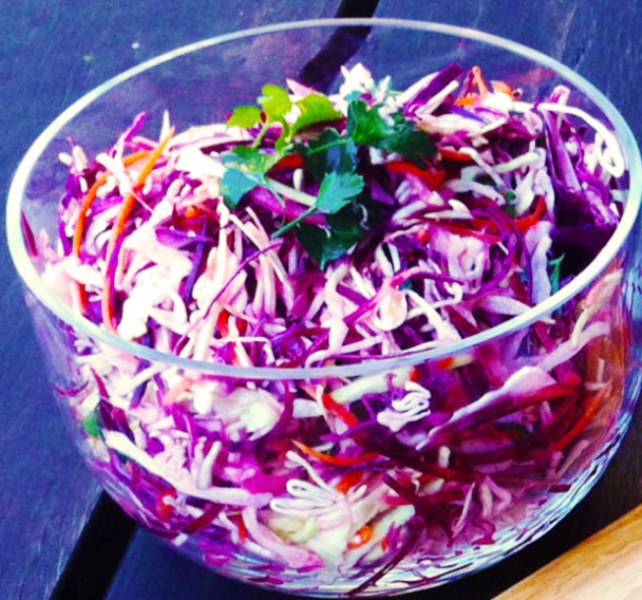
Coleslaw with a Simple Vinaigrette Dressing

I  grew up eating coleslaw prepared this way.  It’s refreshing and teams beautifully with rich food. If I’m serving slow roasted pork belly, coleslaw is always on the menu to cut through all that decadent lusciousness.

I walked past trendy La Marcelleria in Bondi Beach the other day, and there on a chalkboard outside the store was a message proclaiming: “Coleslaw is back!” I didn’t know it had gone anywhere, it’s always been on the menu at our house.

Here is some interesting trivia for you. Coleslaw is a medieval food with roots in imperial Rome. Apicius, the famous Roman cookbook author, describes a dish of shredded cabbage dressed with eggs, vinegar, and spices. So its obviously been around for a very long time. I know this because my son completed an assignment on Roman Food last year, and insisted on recreating a Roman feast. But that is another story. It’s name comes from the Dutch koolsla, which  simply means cabbage salad, and as everyone knows cabbage is the staple ingredient of every coleslaw.

I have always preferred a vinaigrette based coleslaw over mayonnaise. Don’t get me wrong I adore mayonnaise but personally don’t think it belongs in coleslaw. Particularly when I am already serving it with pork belly. Way too much calorie overload for one meal.

When all is said and done, a coleslaw salad is versatile and very easy to prepare. Using cabbage as your base ingredient, just add any crisp, crunchy, seasonal vegetable. Shred the vegetables on a mandoline, or even easier, use the julienne slicer in your food processor. Dress with vinaigrette, let sit for a couple of hours, then finish with soft herbs. I’ve provided my version, but feel free to play around with it and own it. Even add mayonnaise if you want. I’m sure it will soon become a staple in your repertoire, as it is mine.

Coleslaw with a Simple Vinaigrette Dressing

Serves: 8

1/2 head small white cabbage, shredded
1/2 head small red cabbage shredded
2 carrots, julienned
2 red capsicums, deseeded and julienned
1 bulb fennel, trimmed and finely sliced
3-4 radishes, trimmed julienned
4 long green shallots, trimmed and finely sliced
3 handfuls  of fresh soft herbs (choose from parsley,coriander, mint, fennel, and chervil), leaves picked and chopped.

Vinaigrette

1/2 cup white balsamic vinegar
6 tablespoons extra-virgin olive oil
1 1/2 teaspoons sea salt
Freshly ground pepper, to taste

Preparation

  1. Combine vinegar, oil, salt, and pepper in a large bowl.
  2. Add cabbage, red capsicum, carrot, fennel, radish and spring onions, and toss.
  3. Cover with plastic wrap, and refrigerate at least 2 hours  to allow the flavors to meld.
  4. Just before serving, toss through fresh soft herbs
Posted in Salads, Vegetables, Vegetarian, What I Love to Cook | Tagged , , , , , , , , , , , , , | 2 Comments

Simply Smashing!

Now this was too cute not to share. A belgian chocolate smash cake! My sister brought it around for my birthday last week, and this afternoon we took the hammer to it.  Have a look and see what was inside!

Posted in Confectionery, Sweet Treats | Tagged , | Comments Off on Simply Smashing!

Quintessentially Spring. Broad Bean, Pea and Mint Bruschetta with Pecorino

I really do try to make an effort to eat produce that is ripe and in season; its bursting with flavour, good for you and doesn’t need too much fussing about in its preparation. Spring has well and truly arrived  here in Sydney, and after a long and cold(ish) winter it is wonderful to visit the farmers market and see a whole new crop of fruit and vegetables, ready for the eating.

For a long time now I have been anticipating the return of  spring, and fresh broad beans in particular, for no better reason than my craving for Broad Bean, Pea and Mint Bruschetta with Pecorino.  I was first introduced to this bruschetta many years ago at Cafe Sopra at Fratelli Fresh, and courtesy of a quick conversation with the chef,  I have recreated  it at home countless times.

Today was my lucky day, sitting side by side on a trestle table were  firm, crisp broad beans and  baby garden peas in their pods. It was a no brainer really, lunch was beckoning and broad bean and pea bruschetta was firmly on the menu.

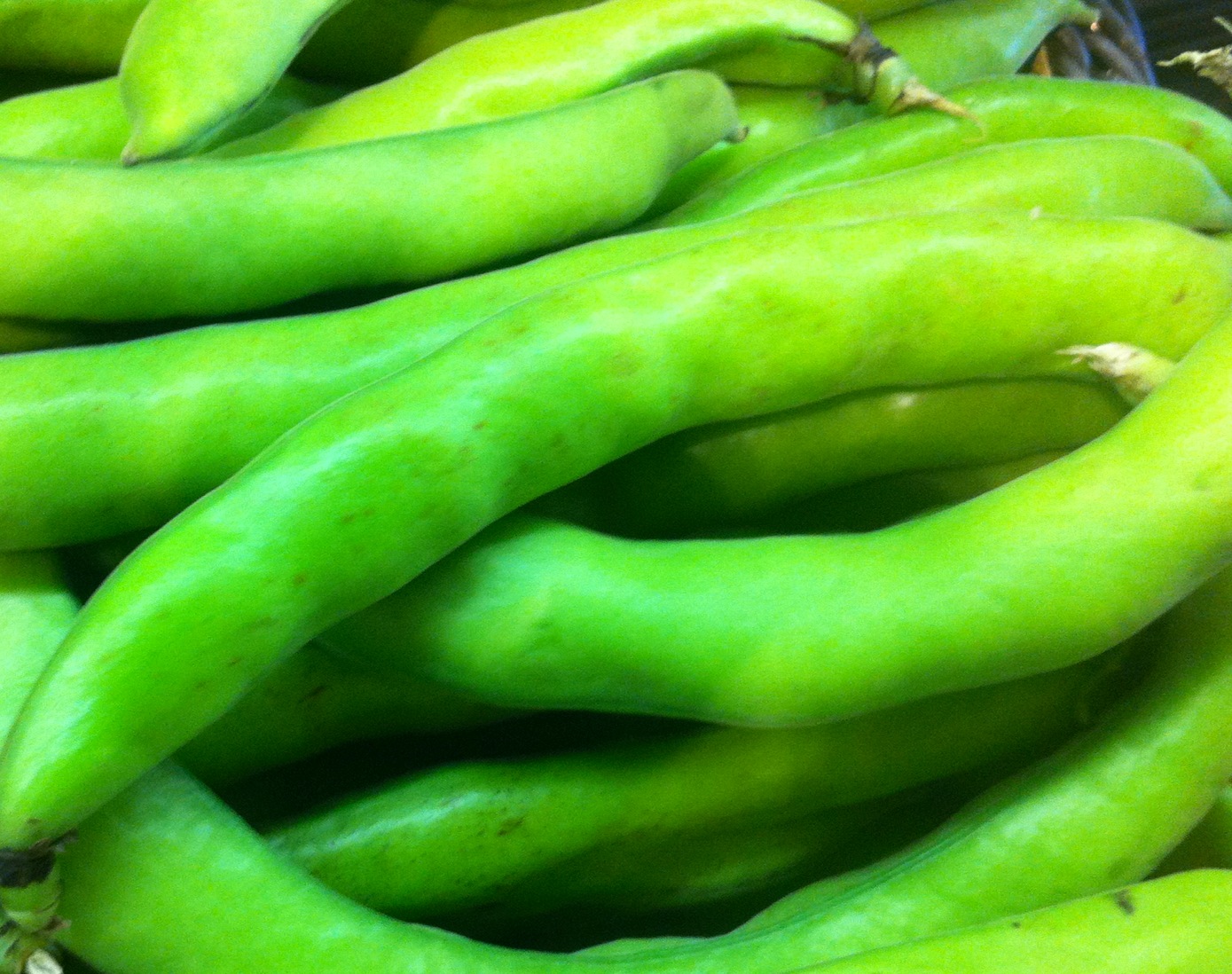
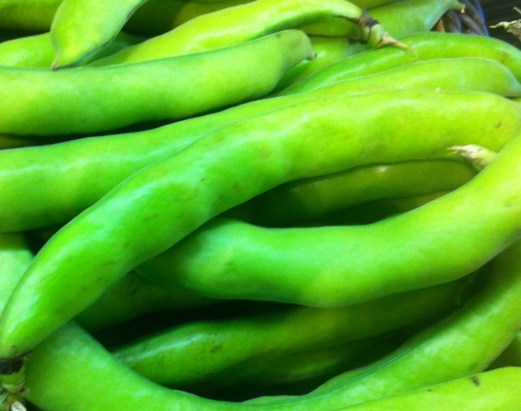
A girlfriend once told me that those gnarly broad bean pods were intimidating and whilst she adored eating them, as far as she was concerned,  podding broad beans was definitely a no go zone.  There really isn’t any reason to be intimidated – I have even managed to train my daughters from a very young age in the art of peeling and shelling  broad beans. Partly because it speeds up the process of getting the bruschetta to the table, and partly because I have vivid memories of sitting at the kitchen table aged 4 or 5 shelling garden peas for my mother. If you can shell a pea you can definitely shell and peel a broad bean. The reward is a glistening, emerald nugget of sweetness.

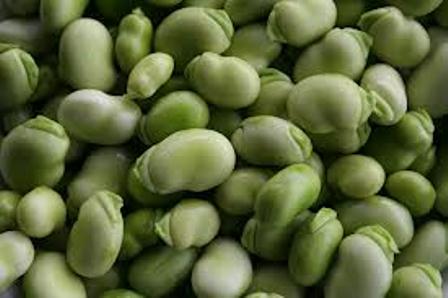
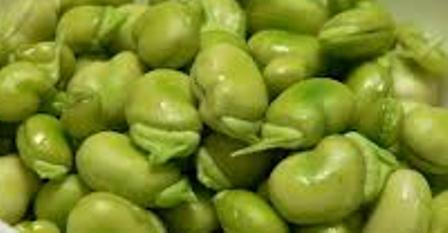
There is no way around it, unless they are very young and tender, broad beans need to  be shelled and peeled. Here is how its done:

  • Shell the broad bean pod, as you would a pea  –  slit each pod along its seam and run your thumb along the furry inside to push out the beans.
  • Bring a saucepan of water to the boil and then add the beans
  • Blanch for about 2 minutes. Drain
  • Refresh the beans in a bowl of cold water
  • Peel the greeny-grey thick skin off the bean by slicing it open with your nail and then simply pop out the bright green bean.

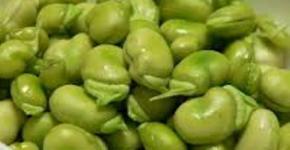
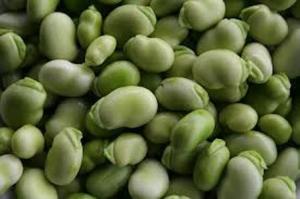
And there you have it broad beans ready to add to your recipe. Child’s play. Look how much prettier and more vibrant  peeled broadbeans look compared to shelled. It really does make a huge difference to the taste and texture of the finished dish.
 

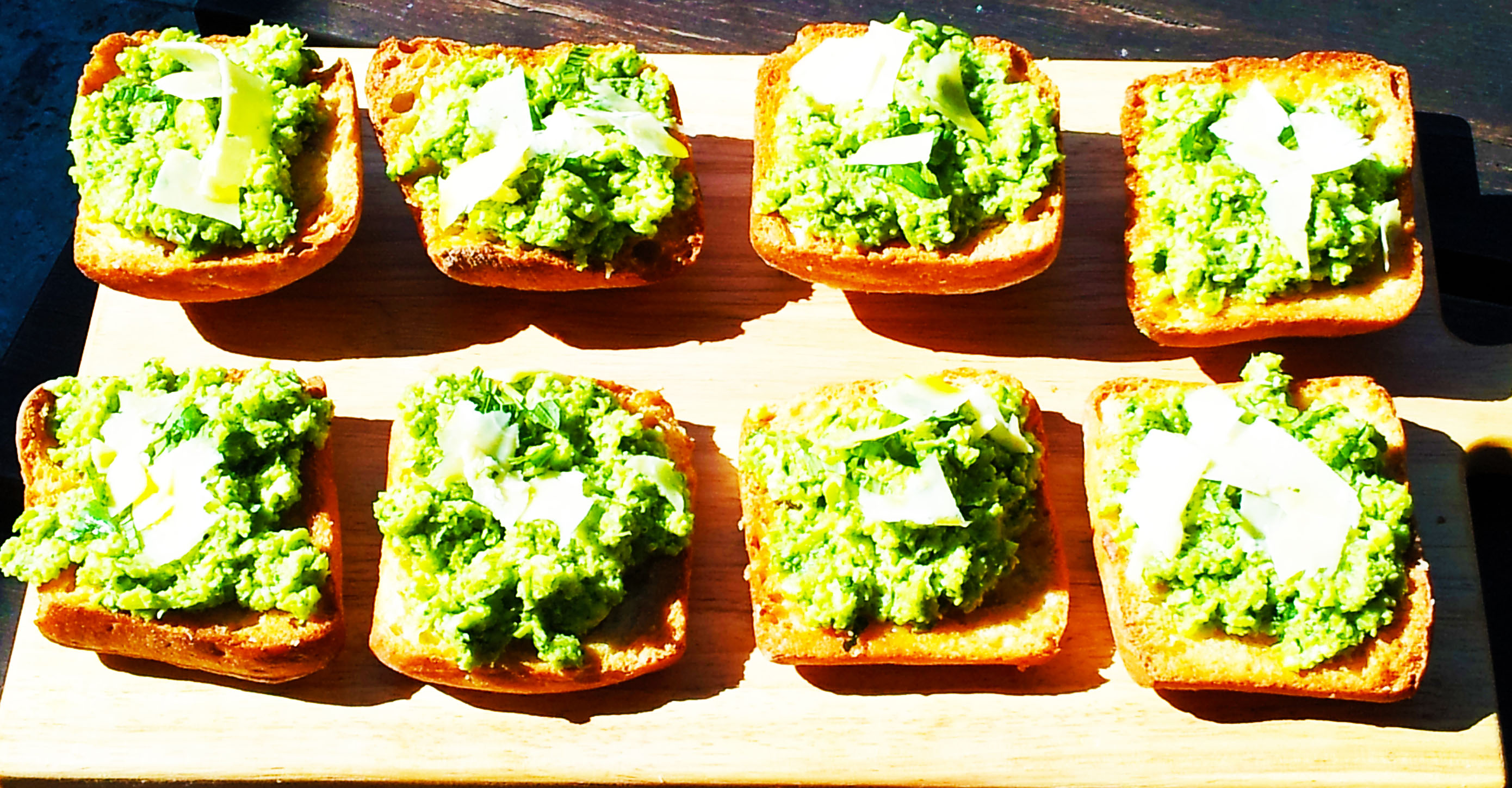
Usually when I make Broad Bean Bruschetta I buy a french bread stick and make dainty little  bite sized appetisers. Not today though. Four greedy little piggies went to market and came back with chunky ciabatta rolls. I simply  split the rolls in half and toasted them, piling on the broad bean topping. A very satisfying lunch.

Broad  Bean, Pea and Mint Bruschetta with Pecorino

This is a very classic Italian topping to bruschetta. Here is the recipe as it was originally provided to me:

Using a mortar and pestle mash 1 handful of double peeled broad beans, a smaller handful of fresh peas, salt, pepper, a good amount of fresh mint,  a good splash of extra virgin olive oil, a bit of lemon juice and some pecorino. Pile onto some toasted croutons rubbed with garlic, drizzle with more olive oil and shaved pecorino.

I love this rustic version of the recipe, but having walked a number of friends through this recipe over the years here is my very modern interpretation complete with measurements and more detailed instructions.

Ingredients

Bruschetta Base
 2 french bread sticks (or ciabatta if you prefer)
2 cloves garlic, peeled and sliced in half lengthwise
1-2 tablespoons extra virgin olive oil

Broad Bean Topping
2 cups broad beans, shelled, blanched and peeled (about 1kg broad beans in their pod)
1/2 cup shelled garden peas (about 250gm peas in their pod)
1/3 bunch mint
2 tablespoon freshly squeezed lemon
100gm pecorino; grated (Use 80gm to make topping, reseve 20gm to garnish)
4 tablespoons good quality extra virgin olive oil
Sea salt and freshly ground pepper to season

To prepare the base:

  1. Preheat oven to 160C
  2. Slice bread into 1cm thick rounds, and brush each slice lightly with olive oil
  3. Toast in oven until golden

To prepare the broad bean topping:

Pulse prepared broad beans, freshly shelled peas, mint, 80gm of the pecorino, olive oil and  lemon juice in a food processor for a few seconds to achieve a slightly chunky consistency. Season to taste with sea salt and freshly ground pepper.

To assemble the bruschetta:

Rub toasted bread with garlic,  pile on  broad bean topping, a little of the reserved pecorino and a drizzle of extra virgin olive oil.

Posted in To Serve with Drinks, Vegetables, Vegetarian, What I Love to Cook | Tagged , , , , , , , , , , , | 2 Comments

Hola! Mad About Paletas

I have an obsession with all things ice cream – gelato, sorbet, tartuffo, glace, granita, cassata, semifreddo, sherbet, tortoni , frozen yoghurt, parfait, sundae – you name it, if its frozen and sweet I’ve tried it. So how is it that paletas have only just very recently hit my radar?

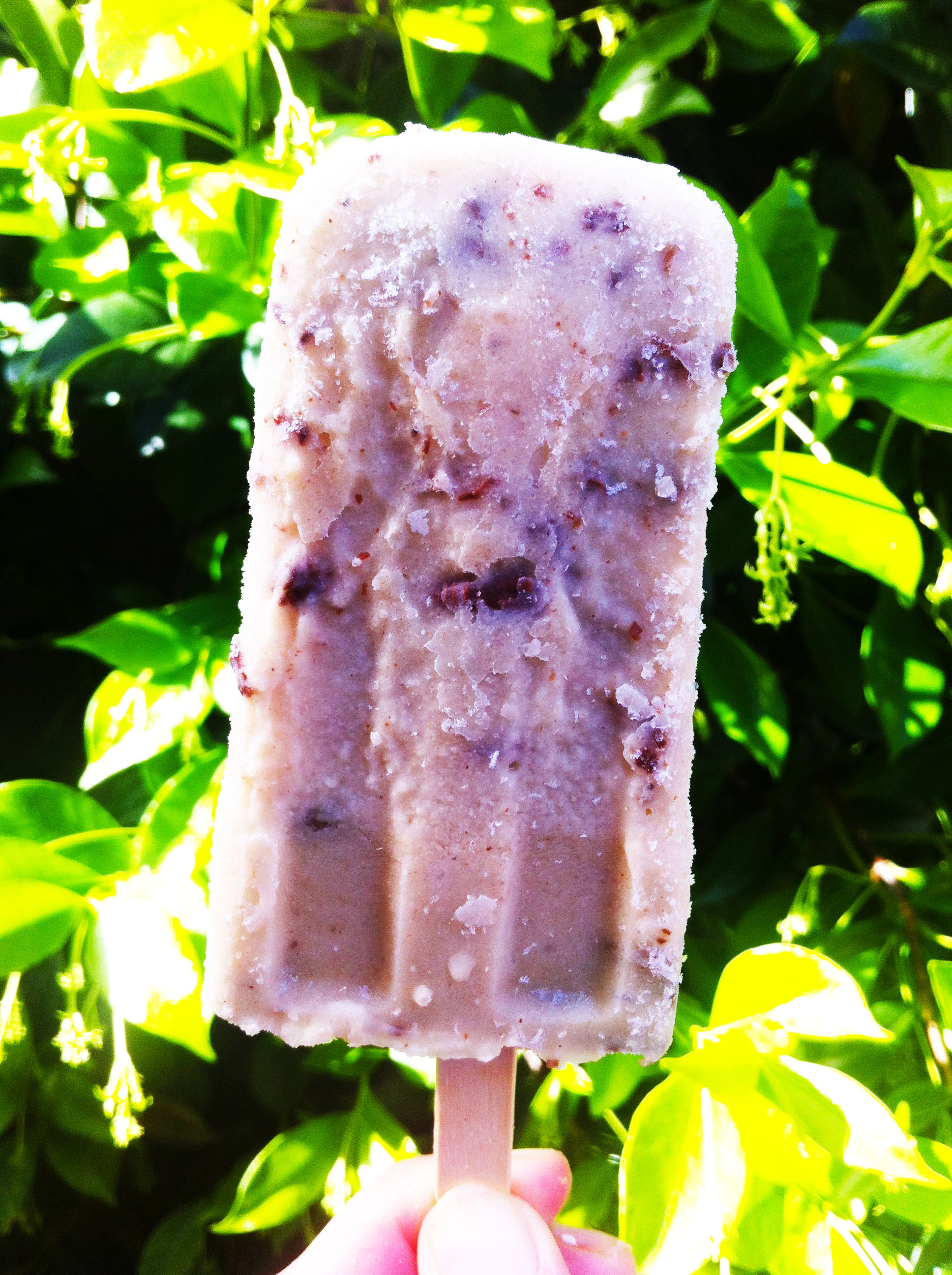
How best to describe paletas? Artisan icy poles on a stick doesn’t quite cut it. All paletas are made from fresh seasonal fruit blended with sugar, sometimes milk and cream, and even fresh herbs and  spices. No additives. No preservatives. Just beautiful, fresh, flavoursome produce blended together to produce the most scrummiest, yummiest  ice confection. Their name paleta comes from palo, or “stick,” and the diminutive ending -eta, referencing the little flat wooden paddle pop stick frozen into each ice cream. The stores, carts, and kiosks where they are sold are known as paleterías, and the sellers are called paleteros.

I first stumbled across paletas on a list of hot new food trends for 2013, and  I just  knew  I had to try them. Alas without an airline ticket to South or even North America that just wasn’t going to happen.  I was just going to have to make them myself – source the very best recipe I could and take it from there. My virtual scavenger hunt led me to La Newyorkina, Fany Gerson and her superb paleta bible Paletas.

A quick detour to Amazon and I am good to go. Decisions. Decisions. Which flavours first? a quick trip to the greengrocer and I choose four – Strawberry, Raspberry, Banana and for good measure the quintessentially Mexican Rice Pudding.  Fany Gerson’s recipes are delicious, inspiring and easy to follow. My first bite and I’m hooked. Heaven on a stick.  I never want to consume an artificially flavoured commercial icy pole again. These luscious flavour bombs are amazing.  I dream of all the endless possible flavour combinations, and all those lucky, lucky  Mexican children who have grown up eating these treats.

Fortunately paletas are surprisingly easy to make and don’t require any fancy equipment. Let me tell you how.

My top 5 tips for perfect paletas

  1. Always use the freshest ingredients you can. Seasonal fruit is the most flavoursome and will make all the difference to the quality of your paleta
  2. The paletas need to be poured into a mould, and that mould must be capable of having a paddle pop stick inserted into it. There is a vast array of moulds out there, or you can always make your own using disposable cups or even shot glasses. It’s up to you, but for the record I used the Progressive brand Freezer Pop Moulds.
  3. When filling the mould remember that the paleta mixture will expand and you need  to leave at least half a centimetre space from the top of the mould to allow for expansion
  4. To unmould your frozen paletas, dip the moulds in warm water for a couple of seconds.
  5. Store unmoulded paletas in your freezer for up to 6 weeks. Store in tupperware containers or ziplock sandwich bags using baking or greaseproof paper to separate the layers to avoid the paletas sticking together.

Here’s some paleta recipes to get you started:

Posted in Frozen, What I Love to Cook | Tagged , , , , , , , , | 2 Comments

Strawberry Paletas with Balsamic and Lemon

Strawberry Paletas with Balsamic and Lemon
Original recipe courtesy of Paletas by Fany Gerson. Adapted by The Paddington Foodie

Makes 8-10

Ingredients
4 cups of fresh strawberries, hulled and quartered
3/4 cup sugar
1/2 cup water
2 tablespoons freshly squeezed lemon juice
Freshly grated zest of 1/2 a lemon
1 teaspoon balsamic vinegar

Method

  1. Combine strawberries, lemon, balsamic vinegar and sugar in a bowl. Let the mixture sit until the strawberries start to release their natural juices (20-30 minutes).
  2. Place strawberry mixture in a saucepan with water over medium heat. Simmer until the strawberries start to slightly soften. (about 5 minutes). Cool to room temperature.
  3. Transfer the mixture to a blender or food processor, add the lemon juice and puree to your preferred consistency – slightly chunky or smooth.
  4. If using conventional moulds, divide the mixture evenly among the moulds, snap on the lid, insert the ice cream sticks and freeze until solid, about 5 hours.
  5. If using glasses or other unconventional molds, freeze until the paletas are nearly set then insert the ice cream sticks and freeze until solid, about 4-5 hours
Posted in Frozen, What I Love to Cook | Tagged , , , , , , | Comments Off on Strawberry Paletas with Balsamic and Lemon

Raspberry Paletas with Hibiscus and Rosehip Tea

Raspberry Paletas with Hibiscus and Rosehip Tea
Original recipe courtesy of Paletas by Fany Gerson. Adapted by The Paddington Foodie.

Makes 8-10

Ingredients
2 cups hibiscus tea cooler (see recipe below)
2/3 cup sugar
4 cups raspberries, fresh or frozen
Finely grated zest of 1/2  a lemon

Method

  1. To make the sugar syrup, combine the hibiscus tea cooler and 1/3 cup of sugar in a small saucepan. Cook over medium heat, stirring  until the sugar dissolves. Take off heat. Refrigerate until cool.
  2. Mix the raspberries with the remaining 1/3 cup of sugar and the grated lemon zest. Let the mixture sit until the raspberries begin to release some of their juices (about 30 minutes)
  3.  Divide the raspberries and their juices evenly among the paleta moulds then pour in the hibiscus tea cooler to fill the moulds remembering to leave up to a one centimetre buffer from the top of the moulds for expansion.
  4.  If using conventional moulds, snap on the lid, insert the ice cream sticks and freeze for about 5 hours.
  5.  If using glasses or other unconventional moulds, freeze until the paletas are beginning to set then insert the ice cream sticks and freeze until solid, about 4 -5 hours

Hibiscus Tea Cooler

2 cups fresh boiling water
2 hibiscus rosehip herbal tea bags
1/2  cup sugar

Place teabags in a glass jug. Add sugar and fresh boiling water. Stir to combine. Allow to infuse for 15 minutes.

Posted in Frozen, What I Love to Cook | Tagged , , , , , , , | Comments Off on Raspberry Paletas with Hibiscus and Rosehip Tea

Roasted Banana Paletas with Grated Chocolate

Roasted Banana Paleta with Grated Chocolate
Original recipe courtesy of Paletas by Fany Gerson. Adapted by The Paddington Foodie

Makes 8-10

Ingredients
3 ripe bananas
1/4 cup packed dark brown sugar
2 tablespoons granulated sugar
1 cup milk
1/2 cup heavy cream
3/4 teaspoon vanilla extract
1 teaspoon freshly squeezed lemon juice
1 teaspoon cinnamon
Pinch of salt
50 grams grated chocolate

Method

  1. Preheat oven to 180C. Wrap the bananas (with their skins still on) individually in foil. Roast until cooked through and soft (use tongs to test).
  2. Leave to rest until roasted bananas are cool enough to handle.
  3. Discard the skins and put the flesh in a bowl. Mash the flesh slightly with a fork.
  4. Add the brown and granulated sugars to the bananas,  and stir until the sugars have dissolved.
  5. Put the banana mixture in  a blender. Add the milk, cream, vanilla, lemon juice, cinnamon and salt and blend until smooth. Let cool slightly and then refrigerate until completely chilled.
  6. Stir in the grated chocolate.
  7. If using conventional moulds, evenly divide the mixture among the moulds, snap on lid, inset the ice cream sticks and freeze for about 5 hours.
  8. If using glasses or unconventional moulds, freeze until the paletas are beginning to set,  then insert the ice cream sticks and freeze until solid, 4-5 hours
Posted in Frozen, What I Love to Cook | Tagged , , , , , , , , | Comments Off on Roasted Banana Paletas with Grated Chocolate