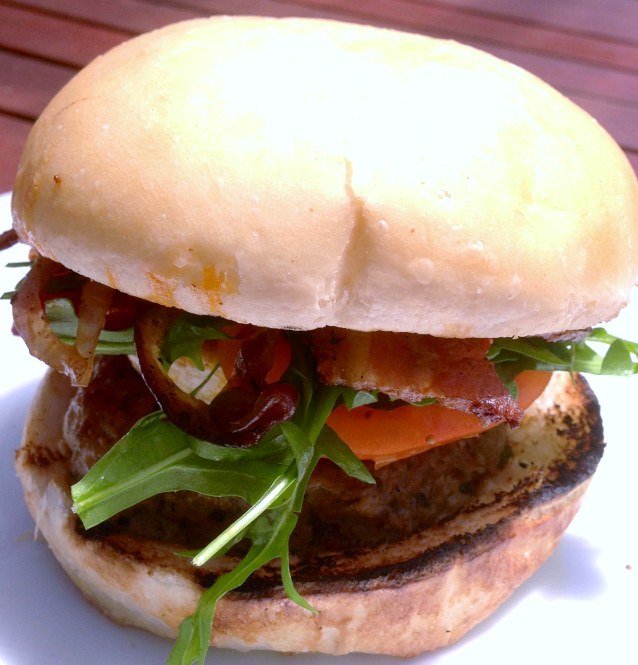
On the Grill. Mark’s Aussie Burgers. With the Works.

burger

Australia Day is fast approaching. This Saturday. January 26th. I can’t think of anything more Australian than a burger cooked on the BBQ. The classic Aussie burger always includes a slice of beetroot.

This weekend I was back in Canberra. Visiting my parents. My brother fired up the BBQ for lunch and made burgers for everyone. His version of the works? Eggs, bacon, caramelised onions, beetroot, rocket and tomatoes. Incredibly delicious. And so very filling! I know many people swear by the addition of cheese and even slices of pineapple. Add them if you wish. But honestly I think you would be hard-pressed fitting anything else into these burgers. In our family we serve our sauces on the side. It keeps everybody happy.

Mark’s Aussie Burgers With the Works.

Serves 6

For the patties
250 g pork mince
250 g beef or veal mince
1 onion, finely chopped
2 cloves garlic, minced
1 red bullet chilli, minced
1/2 cup bread crumbs
1 egg, lightly beaten
4 tablespoons tomato sauce
1 tablespoon soy sauce
2 small sprigs fresh rosemary, leaves stripped and finely chopped
3 small sprigs fresh thyme, leaves stripped and finely chopped
2 small sprigs fresh oregano, leaves stripped and finely chopped
1 tablespoon finely chopped parsley
1 1/2 teaspoons sweet paprika
sea salt flakes and freshly ground pepper to taste.

To serve
6 hamburger buns halved and toasted
1/2 cup caramelised onions
1 cup rocket leaves
2 tomatoes, sliced
6 slices beetroot
6 eggs, fried on grill
6 rashers bacon, grilled

To prepare hamburgers
FRY onion, garlic and chilli in a little olive oil on medium heat until translucent. Remove from heat and cool.
PLACE all ingredients into a large bowl. Mix well to combine. Season with salt and pepper.
DIVIDE mixture into six evenly sized portions. Shape into patties.
CHILL in refrigerator for at least 30 minutes.
GRILL patties on hot BBQ for about 4 minutes each side until cooked.
WHILE patties are cooking, cook bacon rashers and eggs on the BBQ plate.

To assemble
Place patties on the base of toasted hamburger buns.
Add bacon, egg, onion, tomato, beet root and rocket leaves.
Top with remaining bun halves.
Serve with tomato,BBQ or chilli sauce on the side.
Posted in Beef, Pork, What I Love to Cook | Tagged , , , , | 4 Comments

Real Men Eat… Quiche With Bacon and Gruyere.

quicheslice

Today it is a little cooler. A breather before another scorcher sets in next week. When it’s hot I don’t want to spend a lot of time in the kitchen. It doesn’t matter how the weather is. Rain, hail or shine. In our house there’s always that perennial question. What’s for dinner? My answer today? Salad. With something light. All I have to do now is figure out what that something light will be.

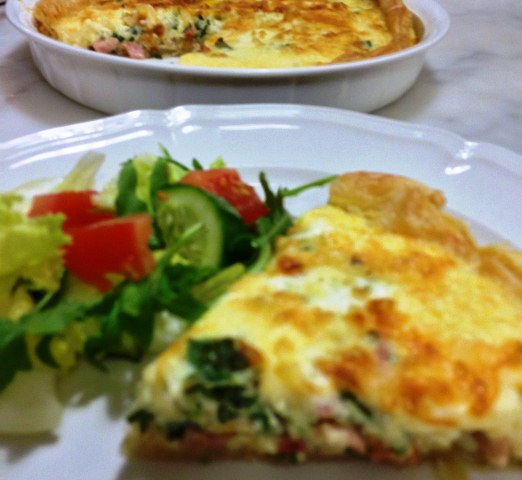
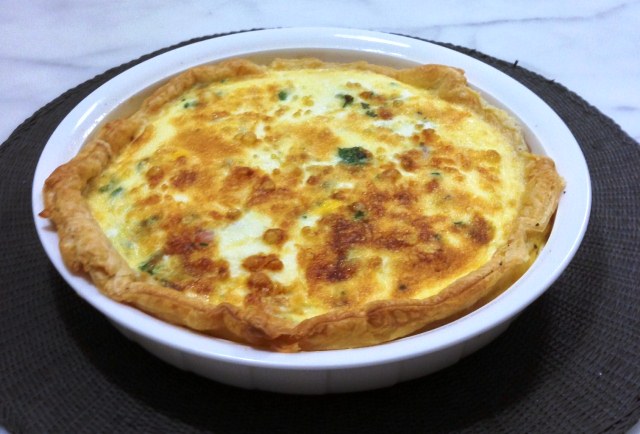
A quick forage in the fridge yields bacon, eggs, cheese and cream. Perfect. Its been a while since I’ve baked a quiche. Not too difficult to make. Simple and delicious. Whoever said real men don’t eat quiche hasn’t met my husband or strapping son. That quiche was devoured in a flash.

quiche

Quiche with Bacon and Gruyere 

prepared pastry, short crust or puff according to your preference but enough to line a standard tart tin
200 grams  cured bacon, sliced into lardons
2 green spring onions, finely chopped
3 tablespoons parsley, finely chopped
300ml fresh cream
4-5 free range eggs
salt, pepper to taste
100 grams grated Gruyere cheese

PREHEAT oven to 180 C fan- forced.
LINE the tart tin with  pastry, overlapping the edge so if it shrinks you still have a full tart.
FRY bacon in a pan until golden brown, don’t use any oil, there is enough fat in the bacon. Drain.
LAYER the following ingredients evenly over the pastry base- half the cheese then  bacon, spring onion, and parsley.  Finish with the remaining cheese.
WHISK together the eggs and cream in a separate bowl.
SEASON to taste and pour  evenly over the tart.
BAKE in a preheated 180 C oven, lower rack position for about 30 to 40 minutes.
REMOVE from oven and allow to rest for 10 to 15 minutes before slicing.
SERVE a generous wedge of quiche with a side salad.

Posted in Cheese, Eggs, What I Love to Cook | Tagged , , , , , , , | 1 Comment

Sustainable Seafood. Hawkesbury River Squid. Calamari Fritti with Rocket and Lemon.

calamari

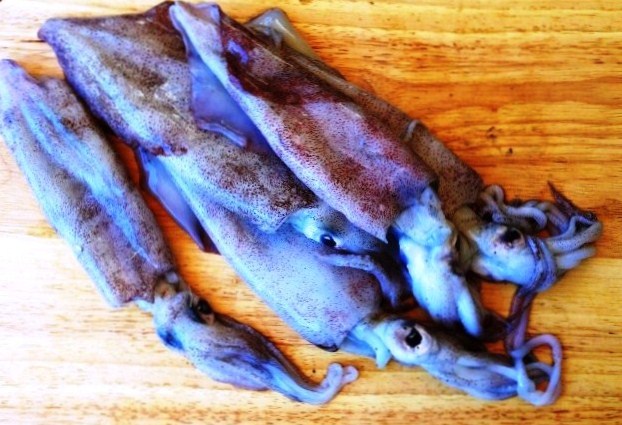
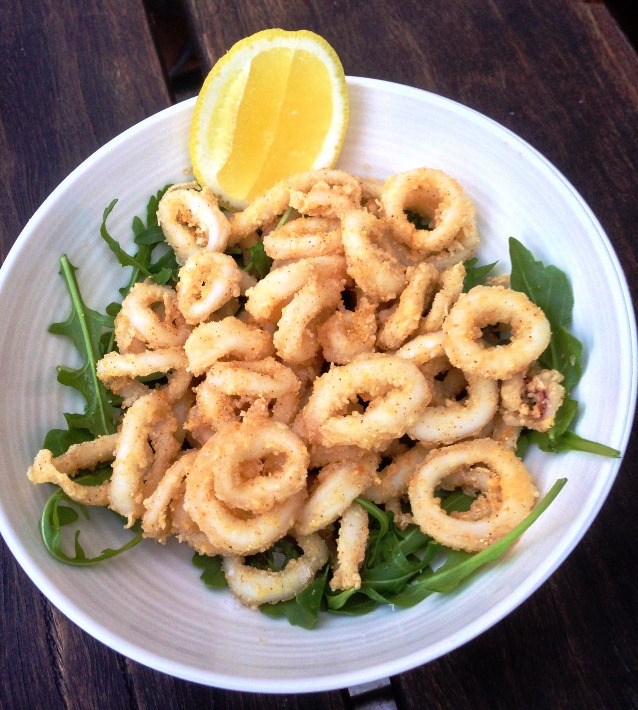
These little beauties are Hawkesbury River squid. Caught locally. Purchased at the Sydney Fish Markets early this morning. Sourced from a small, well managed estuary fishery. Ready to be transformed into Calamari Fritti for dinner tonight. Another firm family favourite. My hungry, not so little, seagulls eagerly squeeze lemon wedges over these piping hot, golden rings as they come out of the pot. Eating quickly for fear that they’ll get less than their fair share.

Lately, I have been on a sustainable seafood drive. Many of our seafood species that I loved to eat as I grew up seem to have entirely disappeared from the counters at the fishmongers and markets. Or have become so expensive that I need to think twice before purchasing them. They are falling prey to global warming and overfishing. So much of our dwindling stock is bound for lucrative export markets.

I want my family to grow up enjoying a wide variety of fresh, local seafood. So now before I buy I ask a barrage of questions. I need to know where the fish comes from and how its species is faring. I only buy from reputable suppliers. On the way I’ve had some very interesting conversations. The state of our oceans and destiny of our fish has certainly changed over the last thirty years.

When I was a child we spent our summer holidays on the South Coast at the small seaside township of Burrill Lake. There were oyster beds on the rocks. We spent the summer fishing for flathead and bream. Occasionally we tried our luck catching lobsters with lobster pots. With very mixed results. The nets came out for prawns at night. But only under a new moon.  The lake seemed to be illuminated with fairy lights as families brandished their nets and lanterns wading for prawns on the sand flats or the channel. A couple of times a week we would drive to the fish co-operative at Ulladulla and wait for the trawlers to come in. We’d buy the catch straight from the boat. So much wonderful seafood. Plentiful and fresh. Our favourite? Always the calamari. My mother used to say to us. You want to eat it? You have to help clean it.

I’m still a little squeamish cleaning squid. My children will help me. But only after I have decapitated the heads and taken care of the ink sacs and any other unsavoury bits. Hopefully one day they will graduate to completing the whole process unaided. It really isn’t that difficult.

You can buy pre cleaned squid tubes for your calamari fritti but the freshness and flavour isn’t quite the same. For the sweetest and most tender calamari fritti choose the smallest squid you can find.

calamarifritti

Calamari Fritti with Lemon and Rocket

Classic Italian summer entertaining. Serve with drinks or as a casual meal with a garden salad. And a crisp riesling or pinot grigio.

Serves 4 – 6

375 ml  oil for frying (or as needed depending on size of pan)
1 kg cleaned squid (tubes and tentacles)
1/2 cup plain flour
1/2 cup semolina
1/2 teaspoon cayenne pepper
1 teaspoon salt
Lemon wedges, extra virgin olive oil, rocket and sea salt flakes for serving.

RINSE the squid under cool water and pat dry with paper towels. Cut the body of the squid into 1 cm rings. Trim and separate the tentacles as necessary.
COMBINE the flour, semolina, cayenne pepper and salt in a shallow bowl.
DREDGE the calamari rings and tentacles in the flour, shaking off any excess.
HEAT the oil in a medium sized saucepan.
WHEN the oil is hot enough (it should sizzle when you test it with a small tentacle) fry the squid in batches until golden. A couple of minutes per batch is all you should need.
TRANSFER to a plate lined with absorbent kitchen paper.
SERVE at once on a bed of rocket dressed with olive oil. Garnish with lemon wedges and a good sprinkling of sea salt.

Posted in Seafood, To Serve with Drinks, What I Love to Cook | Tagged , , , , , , , | 2 Comments

On My Door Step. Fresh Yuzu Juice. Let’s Drink To That. With a Yuzu Mojito.

yuzujuice

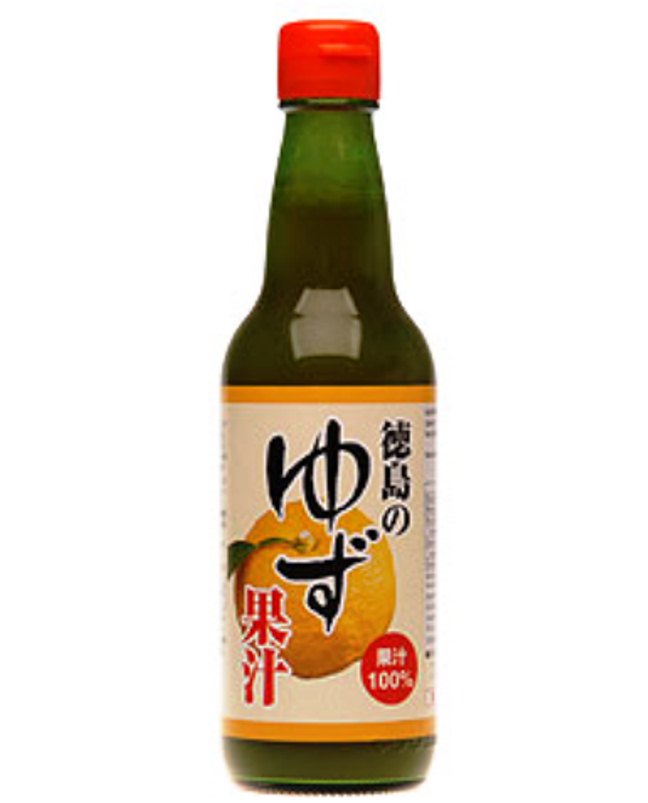
Who would have thought. After spending a considerable amount of time in Tokyo searching for yuzu I arrive home and there it is. Bottled fresh yuzu juice concentrate. At one of my favourite purveyors Simon Johnson. The Woollahra store is literally down the street and around the corner from my home. That definitely qualifies as on my door step in my books. For those of you who don’t have access to a store, you can also order online at http://www.simonjohnson.com.

Simon Johnson carries the Yamato brand of yuzu juice. At $52.25 for a 360 ml bottle it is quite expensive. Especially when you consider I bought a similar sized bottle of yuzu liqueur (yuzu-shu) in Tokyo for 1,800 yen which is just under $20. The price differential probably has a lot to do with our import tariffs and duties. If a bottle of yuzu juice retails for $52.25 here in Sydney, I can’t  even begin to imagine how much I would have to pay for a bottle of yuzu-shu.

It’s particularly hot in Sydney today. The temperature is 45 C and climbing. Happily a little yuzu goes a long, long way. Tart but incredibly refreshing. Diluted with soda. Sweetened with a little sugar. With or without soda. The perfect drink for a heatwave.

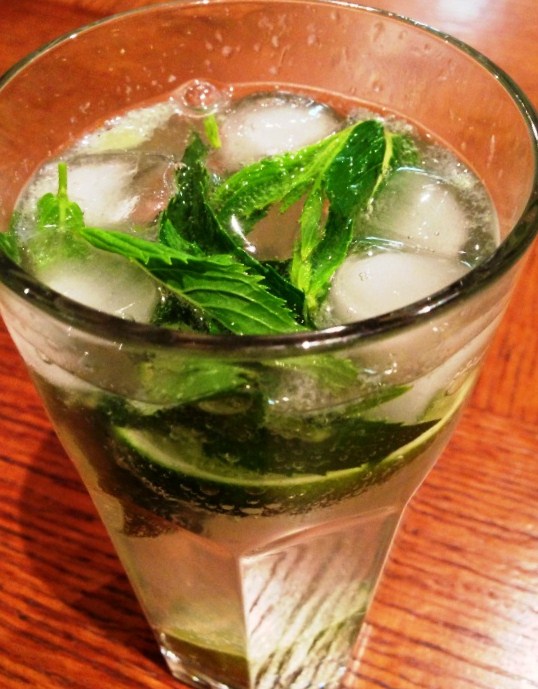
As a nod to the wonderful cocktails at Gyu Bar in Niseko, I’m having a Yuzu Mojito. My friend Hayley will be so excited. She loves those mojitos.

yuzumojito

Yuzu Mojito

There are many variations of this drink. A great mojito will include five customary ingredients. Mint, rum, sugar, lime and club soda. The addition of yuzu adds a tart but delicious edge.

For One Drink

4 mint leaves
1 1/2 teaspoons yuzu juice
2 teaspoons sugar (if you prefer a sweeter drink add a little more sugar)
lime quarters
50 ml white rum, I used Bacardi
60 ml club soda
1 sprig mint for garnish
ice

PLACE mint leaves in the bottom of a collins glass.
ADD yuzu juice, sugar, white rum and limes. Muddle.
TOP up glass with ice and club soda
GARNISH with mint leaves

Posted in What I Love to Drink | Tagged , , , , , , , | Comments Off on On My Door Step. Fresh Yuzu Juice. Let’s Drink To That. With a Yuzu Mojito.

A Summer Birthday Celebration. Semifreddo with Lemon and Yuzu-shu. Pavlova on the Side.

semifreddopavlova

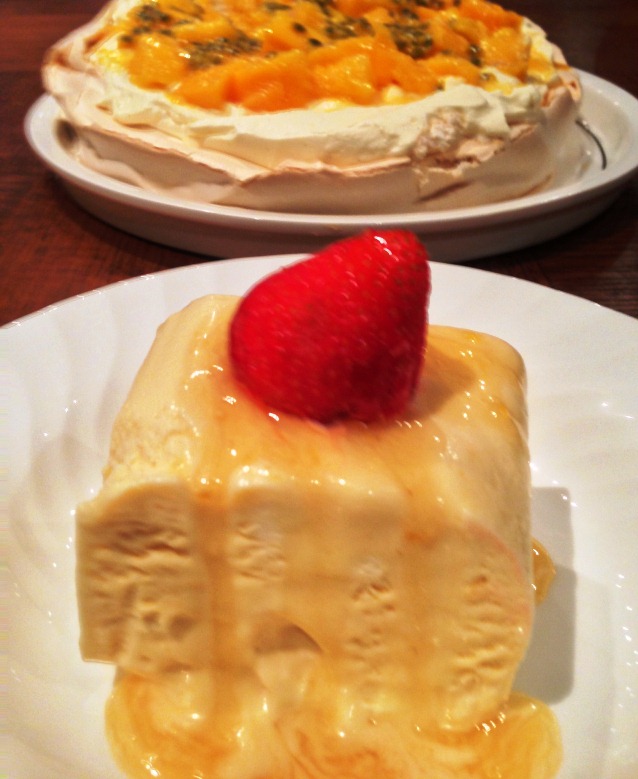
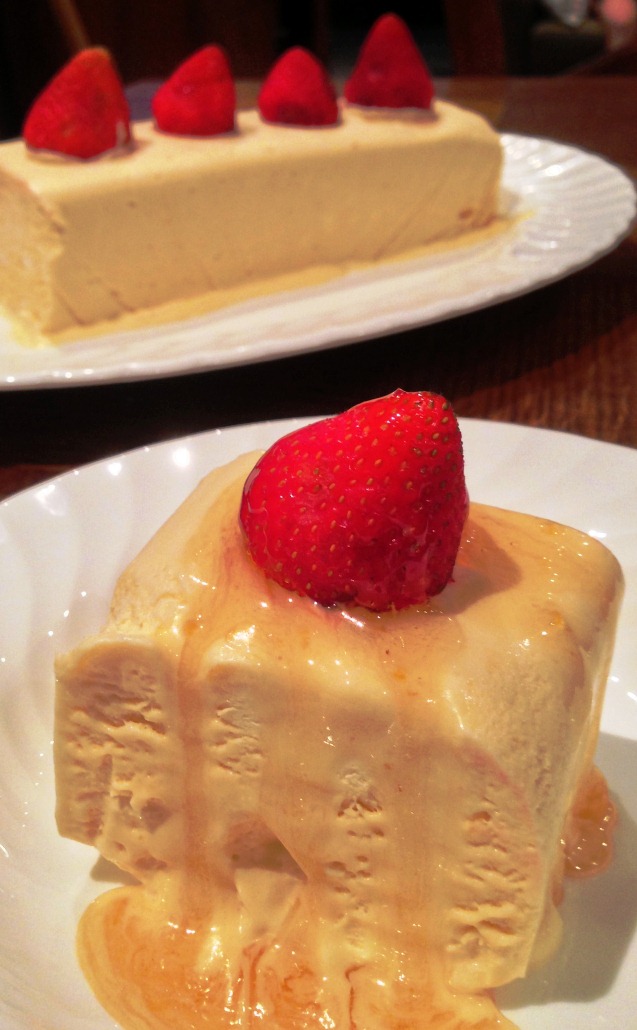
Tonight we are having an early family celebration. For our son’s birthday. It’s hot and humid so for dessert I’m making semifreddo. Light, luscious and creamy.  Perfect for a hot summer’s evening. Semifreddo means half -cold in Italian.  It encompasses a  variety of chilled or half-frozen desserts including custard and ice-cream. Folding in whipped cream gives it a light texture. It’s simplicity is in the making. No ice cream maker or churning required.

Once you master how to make semifreddo, you can use whatever flavour or textures you like to make it your own. It’s a very adaptable dessert. With that in mind I decided to open my precious bottle of yuzu-shu (yuzu sake) and incorporate this delicious liqueur  into one of my favourite lemon semifreddo recipes. The result was stunning. Lemon, yuzu-shu and cream. A match made in heaven. If you can’t source yuzu-shu, substitute gin or vodka. Or even better limoncello. Now there’s a thought.  Yuzu-shu may well be the Japanese citron equivalent of limoncello. Tangy and zesty with mandarin, tangerine and lime notes.

semifreddomangopavlova

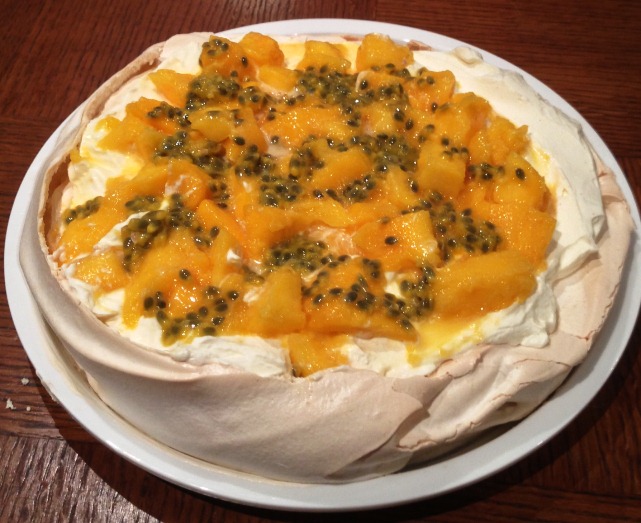
My semifreddo recipe uses 8 egg yolks! What to do with the whites? A pavlova of course. Dominica’s recipe. Topped with mango and passionfruit. Two birthday desserts. Needless to say son was deliriously happy.

semifreddo

Semifreddo with Lemon and Yuzu-shu 

Serves 8

For the Semifreddo
1 cup castor sugar
Finely grated zest of 2 lemons
180 ml lemon juice
40 ml yuzu-shu or substitute gin, vodka or limoncello
8 egg yolks
2 cups cream

For the Syrup
1 cup castor sugar
80 ml yuzu-shu or substitute gin, vodka or limoncello
100 ml lemon juice
zest of 1 lemon

For the Semifreddo
BOIL the sugar, lemon zest and juice with 40 ml yuzu-shu or vodka in a saucepan over medium-high heat for 8-10 minutes until it reaches 110°C on a sugar thermometer or until syrupy.
USING an electric mixer, beat the egg yolks for 5-6 minutes until light and creamy. With the motor still running pour sugar syrup into the yolks. Whisk for 8-10 minutes until cool.
IN a separate bowl whip the cream to soft peaks, then fold into the lemon syrup mixture until well combined.
POUR the mixture into 8 x 150 ml lightly greased dariole moulds, or a 1 litre capacity terrine pan lined with enough plastic wrap to leave a generous amount of overhang.
COVER and freeze for at least 4 hours but preferably overnight.

For the Syrup
PLACE all ingredients in a pan and bring to the boil over medium high heat.
SIMMER for 5 minutes until slightly thickened, then allow to cool completely.

To Serve
DIP bases of dariole moulds in warm water for a few seconds, then turn out onto serving plates.
IF USING a terrine mould unfold plastic wrap from top of semifreddo and invert dessert onto platter; remove plastic wrap. Dip heavy large knife into hot water; cut  semifreddo crosswise into slices. Transfer to individual serving plates
POUR cooled syrup over semifreddo and serve immediately.

Posted in Frozen, Fruit, Sweet Treats, What I Love to Cook | Tagged , , , , , , , , | 4 Comments

Channelling Maisen. Pork Tonkatsu At Home

tonkatsu maisen

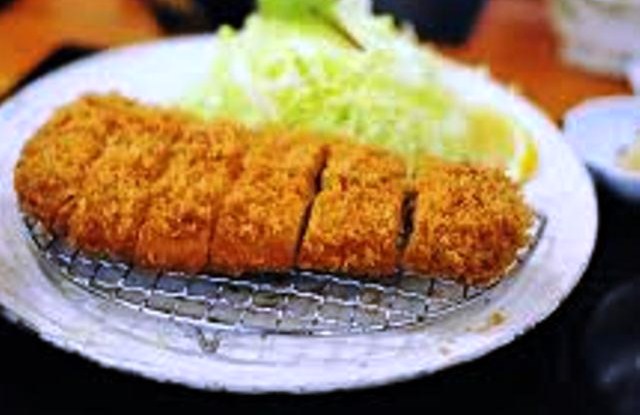
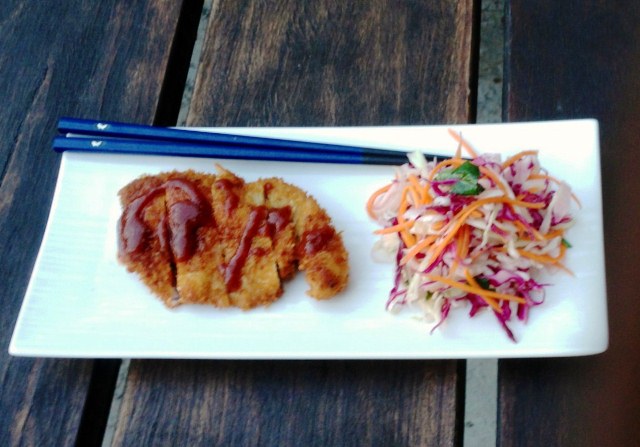
Tonkatsu. Panko crumbed and fried pork cutlet. Served with shredded cabbage and special sauce. Crisp, crunchy and delicious. For a truly decadent tonkatsu experience in Tokyo we like to visit Maisen in Omotesando. Just around the corner from Shibuya. Famous for its Crossing; the busiest intersection in the world. And Harajuku. Famous for the wildly fashionable teenage girls who congregate on Sundays at the bridge near the entrance of the beautiful Yoyogi Park.

Set in the airy confines of a former public bathhouse, Maisen has deservedly acquired its reputation amongst locals and foreigners alike as the “go to” place for tonkatsu. A simple, home-style dish. One glance at the menu and you know this restaurant takes its pork very seriously. Allowing the diner to not only choose the preferred cut of meat but breed of pig as well. Unfortunately this visit we simply ran out of time  to visit Maisen for our tonkatsu fix. To appease my disappointed offspring I promised to recreate the Maisen experience at home. On Australian soil.

Whilst I was quite pleased with my homespun attempt, served with coleslaw rather than the traditional shredded cabbage, if you find yourself in Tokyo, Maisen is definitely worth a visit. There are various branches throughout Tokyo. Maisen take-out tonkatsu is also available in the food halls gracing the basements of the larger department stores. There is even a sandwich version for busy workers and commuters.

Details can be found on the restaurant’s web site www.mai-sen.com. Just remember to hit the translate to English button at the top of the page. Unless you are fluent in Japanese, of course.

The address of our favourite restaurant in Omotesando is:

Maisen
4-8-5 Jingumae, Shibuya-ku
Tokyo, Japan

Here is the recipe for my homespun version of this dish. Prepared when I want to channel the flavours of Maisen at home.

tonkatsu

Tonkatsu (Japanese Panko Crumbed Pork Cutlet)

Traditionally served with shredded cabbage dressed with a citrus soy vinaigrette. At home I like to serve it with coleslaw.

Serves 4

4  pork sirloin cutlets, each piece about 1.5 cm thick and weighing about 160 g
sea salt and freshly ground pepper
flour
2 eggs, lightly beaten
2 cups Japanese panko crumbs, or a combination of fresh and dried breadcrumbs
oil for shallow frying

To Serve
shredded cabbage or coleslaw
tonkatsu sauce, commercially prepared or as per recipe below

To Prepare
SLASH fat rimming one side of the cutlet to keep meat from curling when fried.
SEASON cutlets on both sides.
DREDGE in flour.
DIP into beaten egg.
PRESS into panko or breadcrumbs.

To Fry
HEAT 2 – 3 cm oil in a wok or heavy bottomed saucepan to 175 C.
FRY cutlets in 2 batches for 5 – 7 minutes until golden brown. Turning once or twice.
REMOVE from pan and drain on absorbent paper.
CUT pork crosswise into bite size pieces that are easy to manage with chopsticks.

To Serve
AGAINST a generous half plateful of coleslaw or shredded cabbage, arrange sliced cutlets as if whole. Garnish with lemon if desired.
POUR a little of the tonkatsu sauce over the cutlet. Serve extra sauce in a small bowl.

Tonkatsu Sauce

Makes about 1 cup

1 tsp dry mustard powder
3/4 cup tomato sauce
1/4 cup Worcestershire sauce
1 tablespoon soy sauce
1 tablespoon sake

WHISK together mustard and two teaspoons of water in a small bowl until smooth.
ADD sauces and sake. Whisk together to combine. Serve.

Posted in Pork, What I Love to Cook | Tagged , , , , , , | 2 Comments

Chanko-Nabe at Ryogoku Kokugikan Stadium. The Food of Sumo Champions.

Sumoflags

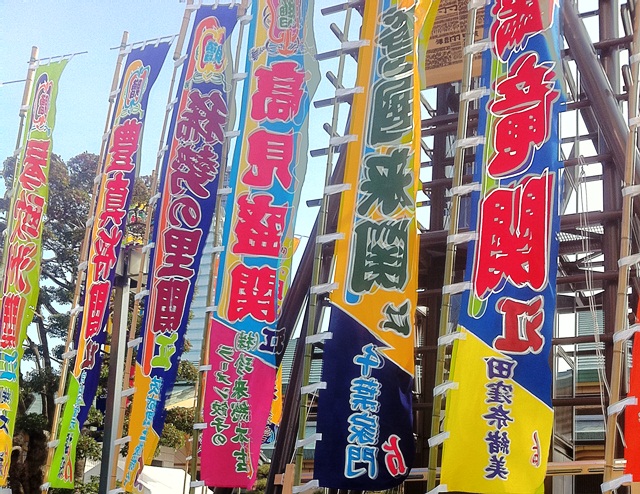
January in Tokyo. My boys like to catch some of the action at Ryogoku Kokugikan. Tokyo’s National Sumo Stadium. The flags are out. That means the Grand Sumo Tournament is in full swing.

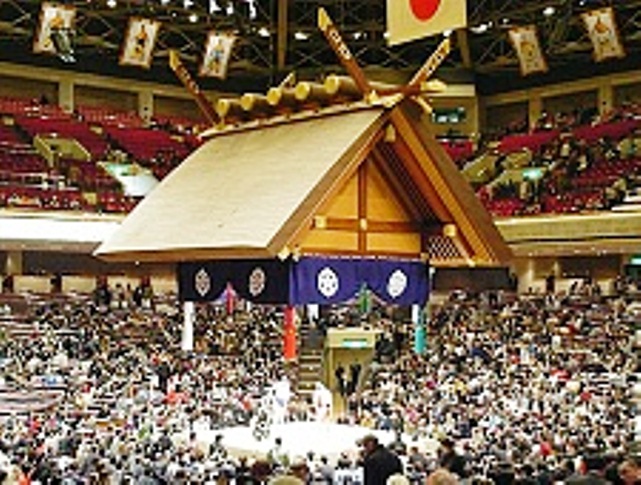
SumoRyogoku

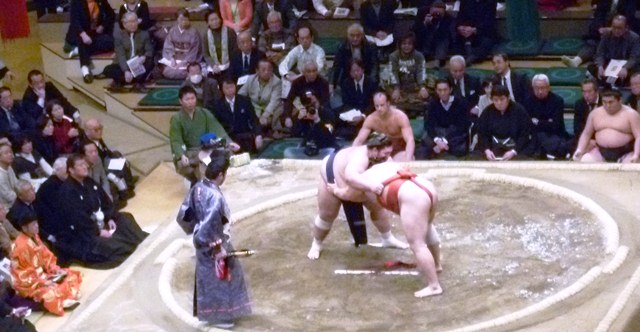
Sumo wrestling is Japan’s national sport. It’s full of pomp, ceremony and ritual. Pure theatre. It originated as a performance in ancient times to entertain the Shinto gods. It’s action packed.  Fast and furious. Each bout lasting only a few seconds. In rare cases maybe a minute. The basic rules are simple. The wrestler who first touches the ground with anything besides the soles of his feet, or leaves the competition ring before his opponent, loses.

Sumo

When visiting Ryogoku for a sumo tournament the thing to do is eat sumo food. Sumo wrestlers eat a hearty stew called chanko-nabe ちゃんこ鍋.  Every day to build up strength.  At the sumo stable where they live and train there is no hard-and-fast rule about what goes into the pot. Oddly, it’s actually a fairly healthy dish of chicken, fish, tofu and vegetables cooked in a seasoned broth.  Sumos just eat a lot of it.

Ryogoku is indisputably sumo town.  Full of restaurants. Specialising in chanko-nabe. Many operated by retired sumo wrestlers themselves. No doubt to capitalise on an adoring fan base. The most authentic place to eat this dish? In the basement of the Sumo Stadium. A large, cavernous dining hall filled with communal tables. For a few hundred yen steaming chanko-nabe is ladled from large urns into your waiting bowl.

There are three 15 day tournaments held in Tokyo each year. On each tournament day the chanko-nabe served in the basement of the stadium is prepared according to a recipe submitted by one of the forty-seven participating sumo stables. The dining hall may be unsophisticated but the chanko-nabe doesn’t get any more authentic than that. My husband and son enjoyed their bowl of sumo stew. They proclaimed it filling and very tasty.
SumoChankoNabe

Chanko-Nabe (Sumo Stew)

Adapted from At the Japanese Table: New and Traditional Recipes by Lesley Downer

Enough for 4 sumo sized servings.

Prepared and eaten in sumo stables throughout Japan. This particular adaptation is served during sumo tournaments and features chicken which is symbolically preferred. A chicken walks on two feet. A sumo wrestler needs stay on two feet to win his match. To fall on all fours would mean the loss of the match. Thus the inclusion of flesh from four-legged animals (fall on all fours) and fish (no hands or feet) in your stew might bring bad luck.

1 medium chicken
2-3 leeks, washed and trimmed
4 carrots, peeled
1 daikon radish, peeled
1 medium or large potato, peeled
salt
10-12 shiitake mushrooms (if using dry ones, soak
in warm water until soft)
2 medium onions, peeled
1 medium cabbage, washed
350 g deep-fried tofu (abura-age)
1/2 cup soy sauce
1/2 cup mirin
1/2 teaspoon salt

To Prepare

The Soup
BONE the chicken and cut the meat into chunks 3 – 5 cm, reserving the bones. Cut the leeks and 3 of the carrots into bite-sized pieces. Put the chicken bones, leeks, and carrots into a large saucepan, fill it with water, and bring to the boil. Turn the heat to medium-low and simmer, uncovered, for 3 hours to make stock, then strain.
The Vegetables
SLICE the daikon and potato into bite-sized pieces and parboil until just tender in lightly salted water in a separate pot; drain.
DISCARD mushroom stalks; slice the mushroom caps and onion into quarters.
CHOP the cabbage into small pieces, and remaining carrot into chunks.
SLICE the deep-fried tofu into strips.

 To Cook and Serve

BRING strained chicken stock to a rolling simmer over medium heat in a clay or heavy pot.
ADD chicken, mushroom, cabbage, onion and carrot to the stock pot with soy sauce.
SIMMER until chicken and vegetables are cooked. About 20 – 30 minutes.
ADD  daikon, potato and tofu. Season to taste with mirin and salt. Simmer a few minutes more. Serve hot over a burner in the centre of the table or ladled into bowls.
WHEN the stew is finished, hungry wrestlers sometimes top up any remaining soup with cooked udon noodles.

Posted in Soup, What I Love to Cook, Where I Love to Eat | Tagged , , , , , | 1 Comment

Tokyo. A Fruitful Search for Yuzu. Japanese Citron. Tart. Bitter. Absolutely Delicious.

YuzuFresh

I  adore yuzu. A Japanese citrus fruit. Tart and bitter, citrus-like, tangy and fresh. All at the same time. It looks like a bumpy skinned lemon but tastes like a tantalising, almost indescribable hybrid of grapefruit, mandarin and lime.  Wonderfully unique and incredibly refreshing. Yuzu is in season throughout winter in Japan. Traditionally  harvested in late November to December. My first discernable taste? Yuzu gelato in a cone. In Niseko. In the middle of winter. Unfathomable but true.

Over the years I have enjoyed yuzu in many different guises. It’s highly fragrant rind is used as a seasoning and flavour enhancer in dipping sauces, marinades and dressings. Sugar is often used to add sweetness to yuzu and counteract its sourness. Delicious jams, jellies and marmalades are prepared using the juice.

But it’s the beverages and liqueurs that I especially adore. From yuzu flavoured sake or yuzushu at our local izakaya Raku to the yuzu inspired mojito and caipirinha cocktails at our favourite Gyu Bar in the lower village. Entry into this Alice in Wonderland-esque bar is through a fridge door. I kid you not.

This year I decided I would not leave Japan without a bottle of yuzushu. I scoured Hirafu village and asked each and every bar tender where I might buy a bottle to take home. No success. Many lost in translation moments I suspect. My almost non existent Japanese more limiting than their English.

Fortunately we had a two day stop over in Tokyo before returning home. Our hotel conveniently located very near Tokyo Midtown. Home to a four storey shopping and dining complex. Described as a city with in a city with a thriving arts precinct, gardens and parks.

I love exploring food halls in Japan. And home and lifestyle stores. In that order. A great way to get to understand and know the culture of it’s people. As expected in the vast food halls I found fresh yuzu and dried yuzu rind. Unfortunately Australia has very strict customs and quarantine regulations and these were not suitable to bring home with me. Fresh (and I suspect dried) yuzu is specifically listed as a restricted import item into Australia.

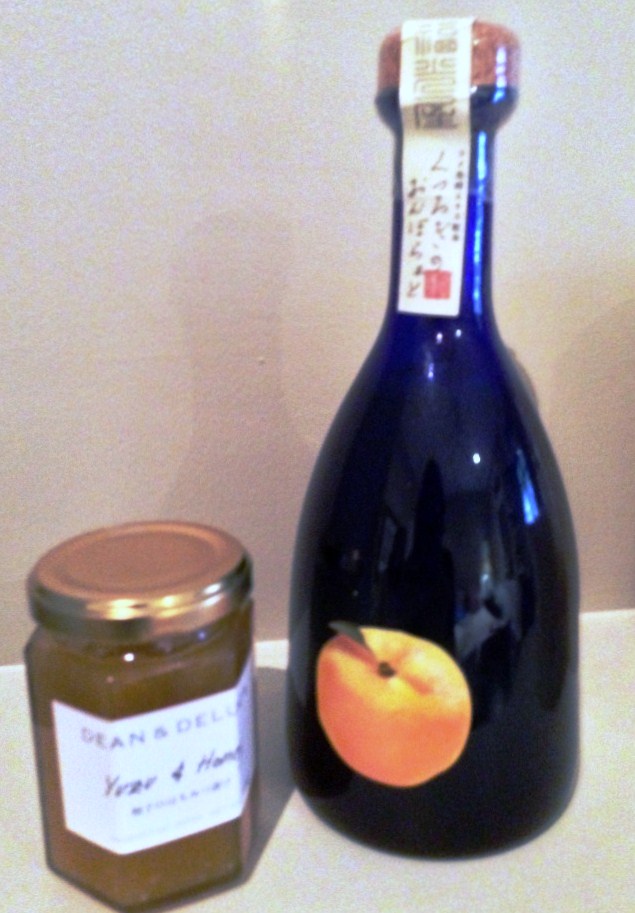
I also found yuzu dipping sauces and dressings. What I was really after though was a concentrate I could bring home. To recreate those wonderful cocktails. At Dean and DeLuca a very helpful sales assistant pointed me in the direction of a yuzu and honey “jam”. She explained that in Japan this “jam” is used as a tisane to make yuzu tea. Just stir a spoonful of the jam into hot water to make tea or use as a base for a yuzu flavoured drink. With an hour to go before I needed to depart Tokyo for Narita airport I thanked her profusely and purchased my yuzu “jam”. Necessity most definitely being the mother of invention in this instance.

yuzu

With yuzu jam in hand and hurrying towards the hotel to collect my luggage I chanced upon Sake Shop Fukumitsuya. There on the counter was a blue bottle of yuzushu.  Kutsurogino Omborato Yuzu to be precise. Fresh yuzu juice mixed with distilled sake. Alcohol content 20%.  Success. My search was over with only a few minutes of Tokyo shopping time to spare.

I declared my yuzu jam and sake as I re-entered Australia. No issues at all. In fact I was waved through. I’m looking forward to tasting the “jam”. I’m sure it will be delicious. Now all I have to do is open my bottle of yuzushu and recreate those cocktails at home.

Posted in Fruit, What I Love to Drink | Tagged , , , , , , , , | 9 Comments

Don’t Leave Niseko Without… A Visit To The Onsen.

greenleafonsen

Our sojourn in Niseko is drawing to a close. Today we depart Hokkaido for a flying visit to Tokyo. Monday morning we will be back in hot, sweltering Sydney. Talk about extremities in weather conditions. Moving from close to minus 20 C to plus 36 C or more in a matter of days. We have been following the news at home.  Its hard to fathom here in snowbound Niseko that bushfires are raging in Australia. Our thoughts are with the wonderful volunteers from the Rural Fire Service and we hope and pray they will have success in keeping the fires in control. There is a total fire ban across much of the eastern seaboard in Australia today as temperatures soar yet again.

During this visit I’ve focussed on the wonderful food available here in Hokkaido. We’ve shared many memorable meals. Its been a whirlwind of fabulous food and great company. A visit to Hokkaido, however would not be complete without a visit (at least once) to an onsen.

Onsens are natural thermal springs, rising from deep within the ground. They are renowned for their therapeutic qualities. Niseko is famous within Japan for its abundance of natural onsens. There are many to choose from in the village and its surrounds. These thermal baths are a wonderful way to relax and rejuvenate tired muscles after a hard days skiing or snowboarding.

For its sheer natural beauty one of my favourites is The Green Leaf Onsen,  pictured above. It consists of a series of beautiful natural rock pools. True to Japanese tradition it has separate indoor and outdoor pools for men and women.  Situated in the Green Leaf Hotel it also offers spa and dining facilities for its guests. Imagine unwinding in a steaming outdoor rock pool amidst the falling snow. It’s a truly europhic experience.

Accessed by road or even on skis! From underneath the Niseko Village Gondola. Just follow the trails almost to the bottom of the hill. It is well sign posted and well worth a visit. If you reach the base of the gondola station at The Hilton in Niseko Village you have skied too far. You then have two options. Visit the excellent onsen at The Hilton. Or take a short ride on the Community Chair also at the bottom of the gondola station. Veer left down the hill as you disembark. A word of warning. After a soothing onsen you probably won’t feel like skiing home. If you don’t have a car, there is always the local bus or taxi service.

Posted in Musings & Inspiration, Where I Love to Eat | Tagged , , , , | 2 Comments

Snow and Seafood. Sushi and Tempura at Shokusai Hirafu.

AlpenSushi

If you are in Japan you have to try sushi. Beautifully prepared and plated as only the Japanese can do. One of my favourite sushi haunts in Niseko is Shokusai Hirafu. Located in the Alpen Hotel in the upper village. A hop, skip and jump from the bottom of the Ace Quad Chair. The perfect place to grab a bite to eat for lunch and rest your weary legs after a morning spent carving up the snow.

It’s intimate, traditional and uncrowded. A largely Japanese clientele. Always a good sign. Fresh seafood is delivered daily from local fisheries and transformed into mouth-watering delicate and delicious sushi and sashimi.  And another secret? Shokusai also serves a stunning seafood tempura.

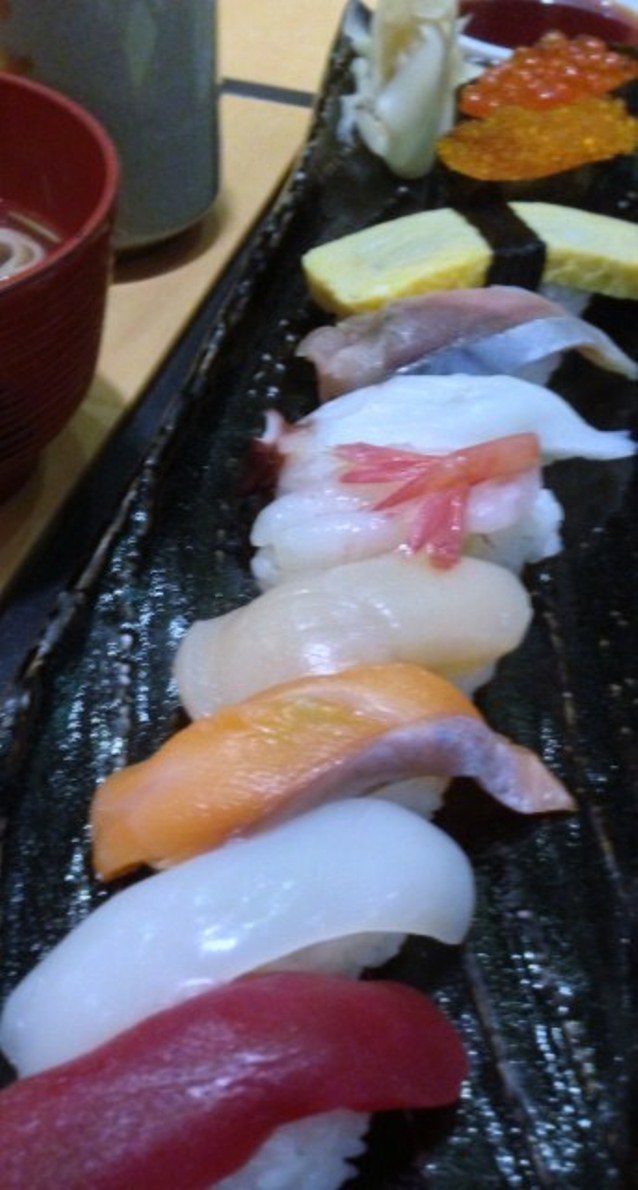
Today our selections from the lunch menu included a sushi plate and assorted tempura. The Nagomi Sushi Plate  was served with ten different tastes of the sea.  Big-eye tuna, salmon, squid, mackerel, scallop, octopus, sweet shrimp, egg omelette, salmon roe and flying fish roe. And a side serving of a clam, miso soup. In a word. Exquisite.

AlpenTempura

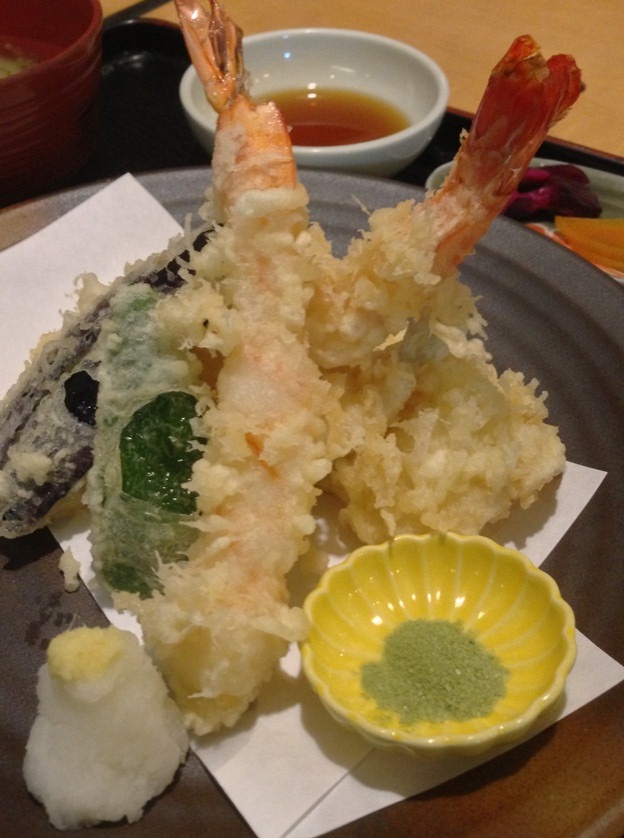
Tempura of local seafood  and vegetables including prawn, squid, cod fish, pumpkin, potato, capsicum and eggplant was just as delicious. Served with small side dishes of pickle, miso soup, rice and salad.

Posted in Where I Love to Eat | Tagged , , , , , , | Comments Off on Snow and Seafood. Sushi and Tempura at Shokusai Hirafu.