King Crab Kane Ramen. Hanazono 308.

Hanazono Kane Ramen

It was a cold blustery day today. Lots of fresh powder snow. I’m beginning to think it’s never going to stop snowing these holidays. Last year the locals told us it was the best season the resort has had in 50 years. Judging by the build-up of snow in the village and the frenetic snow clearing activity I think this season is going to surpass them all.

Today we headed out later than usual to Hanazono 308 for their regional specialty. King Crab Ramen. Also known as Kane Ramen in Japanese. Our theory was that the weather would clear later in the day and we would get some blue sky skiing. At least that has seemed to be the pattern over the last five days or so. How wrong we were. No amount of ringing of the Hanazono Happy Bells was going to improve the weather situation this afternoon. I think if anything, the reverse is true, it just brought more snow. And less visibility.
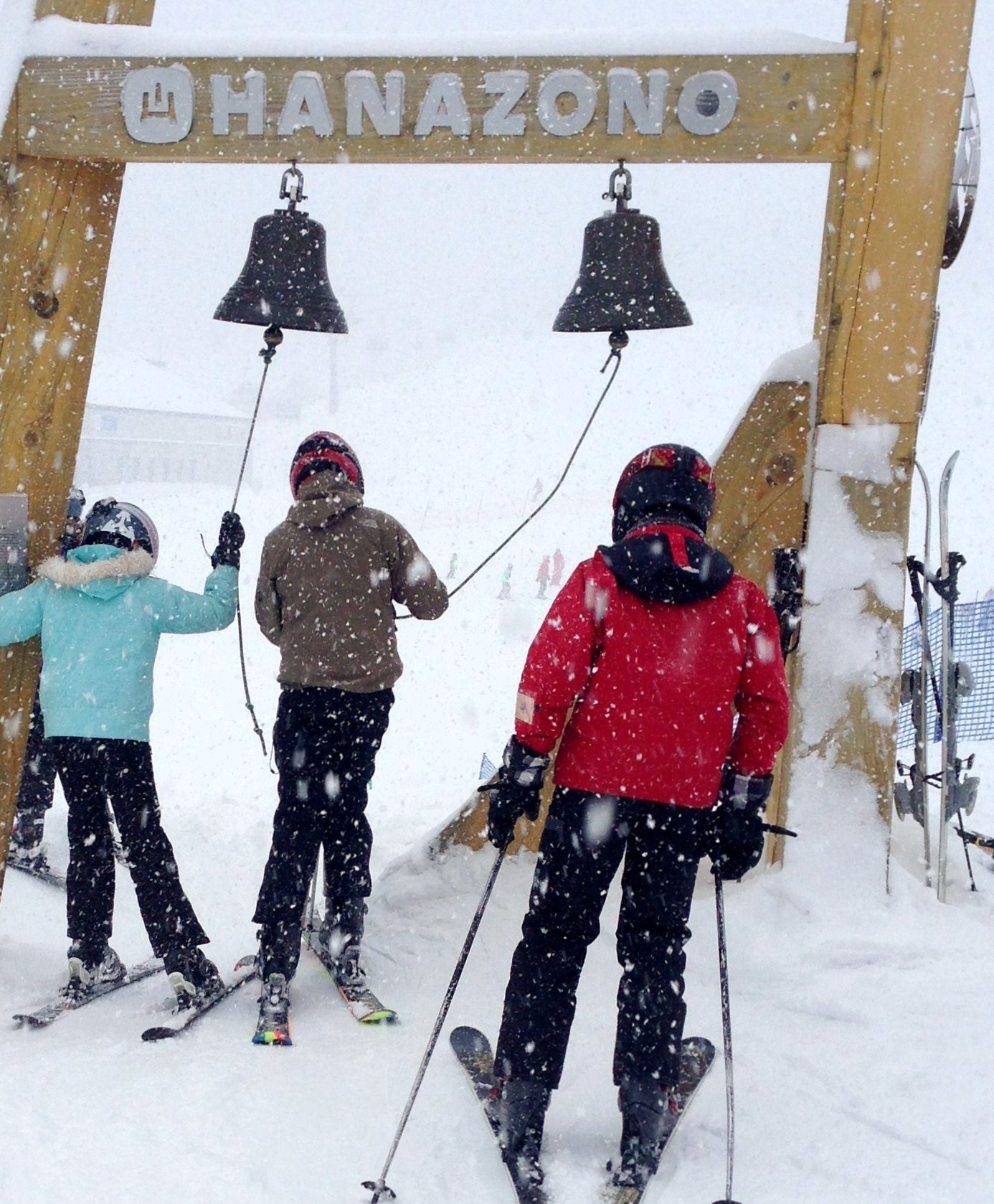
Hanazono Happy Bell Ringing

A steaming fragrant  family sized bowl of king crab ramen was  exactly what we  needed to thaw out this afternoon. Ramen noodles are wheat noodles that are commonly served in a soy based broth. In Hokkaido, however, a hearty miso broth is popular. When you place an order for ramen at Hanazono 308 the chef will ask ‘soyu or miso?’

Except for the Kane Ramen from Hanazono Menu 1. This is always served with a miso based broth. Ramen noodles, bamboo shoots, bean sprouts and thinly sliced spring onions are piled into a bowl of miso soup. Hot steamed kane or king crab claws arranged artfully on top. With little dishes of minced garlic and chilli served on the side. This is one dish every visitor to Niseko should try. At least once. I promise it is so delicious you will ski over  to Hanazono again and again.
Posted in Where I Love to Eat | Tagged , , , , , , , | 2 Comments

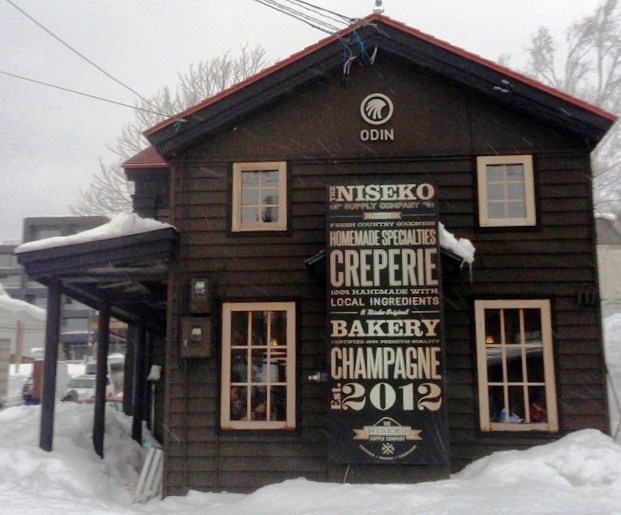
French Galettes and Crepes. The Niseko Supply Company at Odin.

Odin

Today we decided to take a break. From skiing and Japanese food. Since our visit last year our favourite bakery has relocated from the Hirafu intersection. In its place there is a French style creperie and bakery. Operated by the newly established Niseko Supply Company. In an original but refurbished wooden building now known as Odin.

OdinEntry

My son and I ventured in for lunch. Lured by the prospect of good coffee and French style pastries. This cafe is managed by Paul whom we recognised from one of our favourite haunts many years ago. The Belgian Cafe. When our children were much younger we used to make the trek down to the lower village for whole roast chicken and Belgian beer. Sadly, we have missed Paul’s cafe and delicious rotisserie chickens over the last few years. So today’s visit was a wonderful blast from the past.

Today we were not disappointed. A little corner of France in Niseko.  For lunch? Quiche and a buckwheat galette from Brittany.

odinquiche

The quiche was filled with bacon, cheese, onion and tomato. Served with a little green salad.

odigalette

The buckwheat galette filled with cheese and topped with roast chicken and a tangle of stir fried Japanese mushrooms. A la Paul!

odincrepe

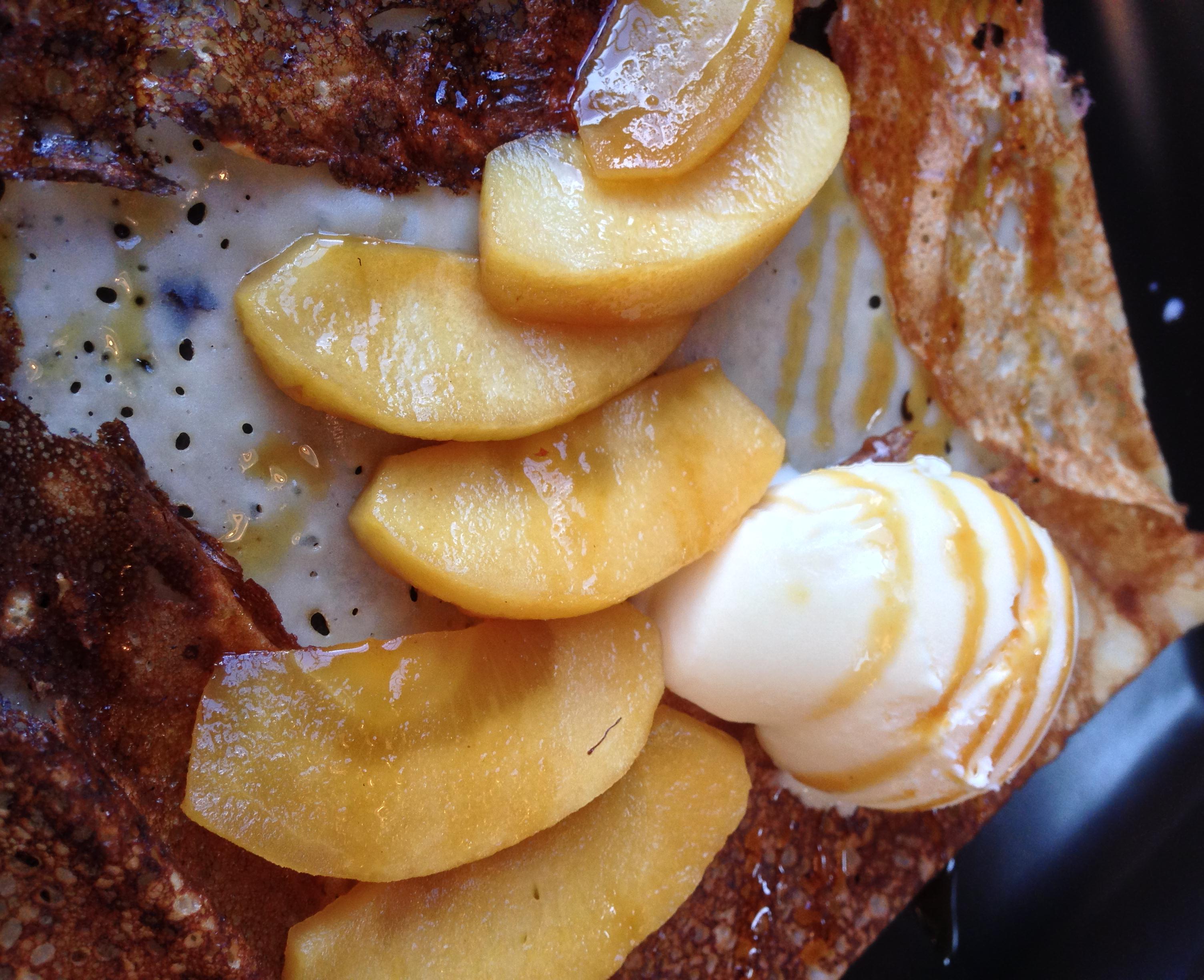
Of course this being our first visit we had to try the crepes. So we shared an apple crepe topped with ice cream and caramel sauce. Delicieux!

odincoffee

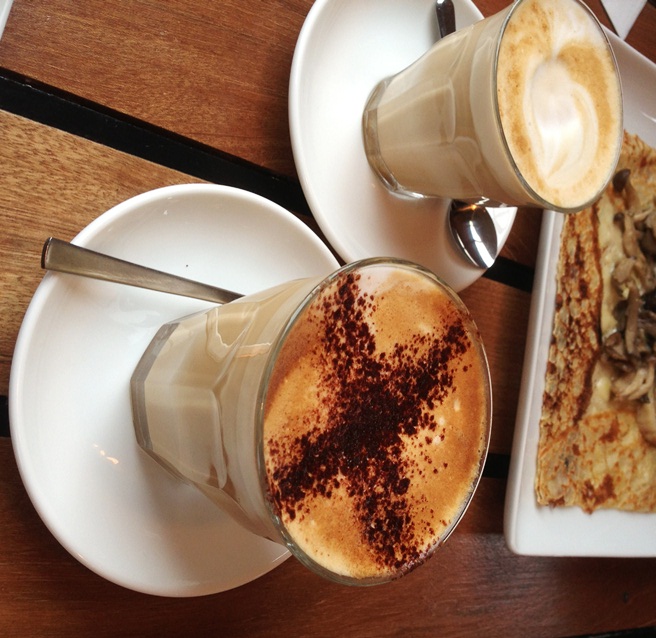
And to finish? A cappuccino and cafe au lait. The pastries will have to wait until another day. The bakery opens at 7.30 am daily so perhaps croissants and fresh baguettes are in order for breakfast one morning soon.

Postscript

We returned back to Sydney and for Shrove Tuesday couldn’t resist recreating these gorgeous buckwheat galettes for dinner. For those of you who are curious to try your hand at making them here is the link to the post :

Simply Scrumptious. Savoury Crêpes. Buckwheat Galettes With Ham, Gruyere and Brie.

For good measure we also made traditional crepes for dessert. And here is that link:

Our Last Shrove Tuesday Hurrah. Crêpes With a Simple Orange and Brown Sugar Sauce.

Posted in Where I Love to Eat | Tagged , , , , , , , , | 1 Comment

Kampai! Sake and Shochu. Izakaya Raku 楽 .

Raku

A stone’s throw from our accommodation is a very cosy izakaya. Raku . In Japanese its kanji symbol 楽 means easy, comfortable and cosy. It’s also the kanji that you see in the word tanoshii 楽しい which means fun and ongaku 音楽 which means music.

RakuMenu

A quick look at its extensive menu board. It’s easy to see why this izakaya is so popular. Raku specialises in local produce. Serving  hokke, scallops, squid and sashimi from the seas around Hokkaido, whole grilled chicken and sweet corn potatoes and mushrooms from the Niseko area.

RakuYuzuSake

Step inside. This little bar is certainly a cosy, happy place. Another attraction? A very wide selection of Japanese beers and spirits. Sake, shochu and umeshu. Here is my very brief and western understanding of these alcoholic offerings. Sake is brewed from rice wine and is universally recognised as a traditional Japanese liquor. Shochu is very similar to sake and is made by fermenting grain or sweet potato. Both sake and shochu are delicious served hot or cold. Umeshu is a liqueur made from steeping unripe fruit in shochu. A basic interpretation I know. But it serves its purpose.

In Japan “Kampai” means cheers and is most appropriately used when drinking. Especially in bars and izakaya. One cardinal rule to remember. Never pour your own drink, if the glass is empty usually the host will pour it.

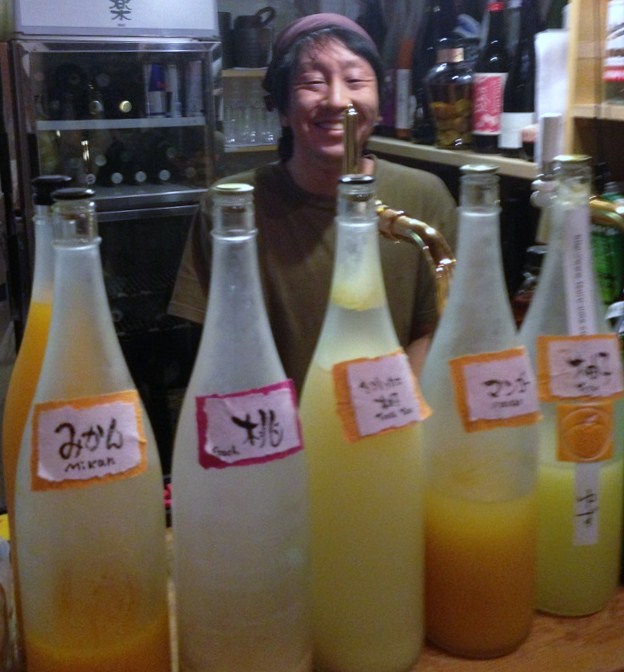
Last night we spent a very pleasant night at Raku. Farewelling one family and welcoming another. We started our evening with the house specialities  Yuzu and mandarin sake served icy cold from the giant bottles pictured above. From the bar by a very obliging, always smiling bartender. I adore yuzu. It’s a Japanese citrus fruit. It’s tart and bitter, citrus-like, tangy and fresh, all at the same time. Wonderfully unique and incredibly refreshing.

RakuSakeHot

From icy cold yuzu flavoured sake we moved on to local Niseko rice wine served warm from flasks. Chosen from a rather extensive regional menu.

RakuSakeMenu

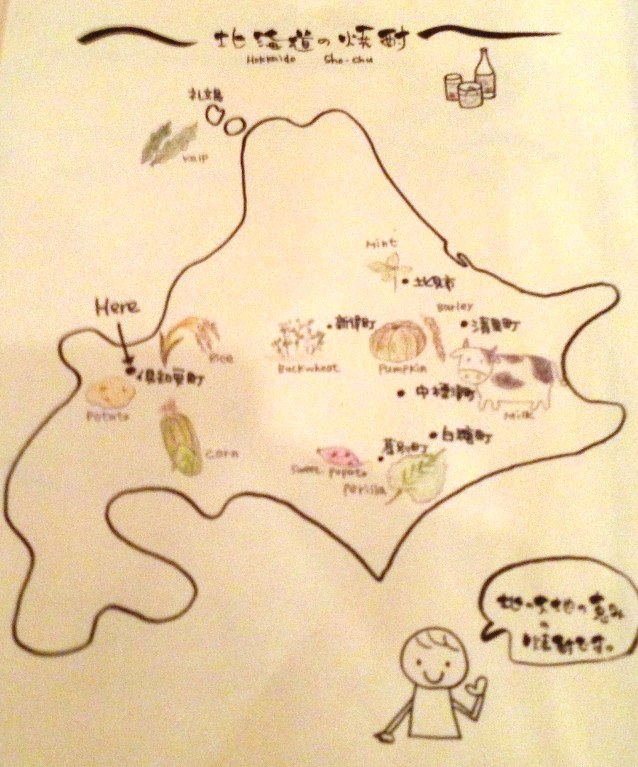
Only to be matched by an equally impressive offering of local shochu.

RakuShochuMenu

Of course in true izakaya style we washed down our sake and shochu with a selection of  little dishes of local Hokkaido specialities.

RakuScallop

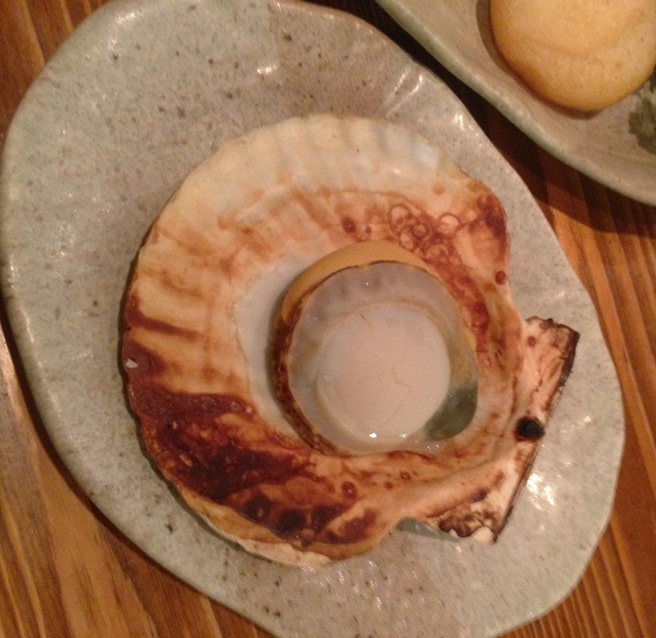
Huge scallops grilled with butter and shoyu.

RakuGrilledSquid

Tender chargrilled squid.

RakuGrilledHokkaidoChicken

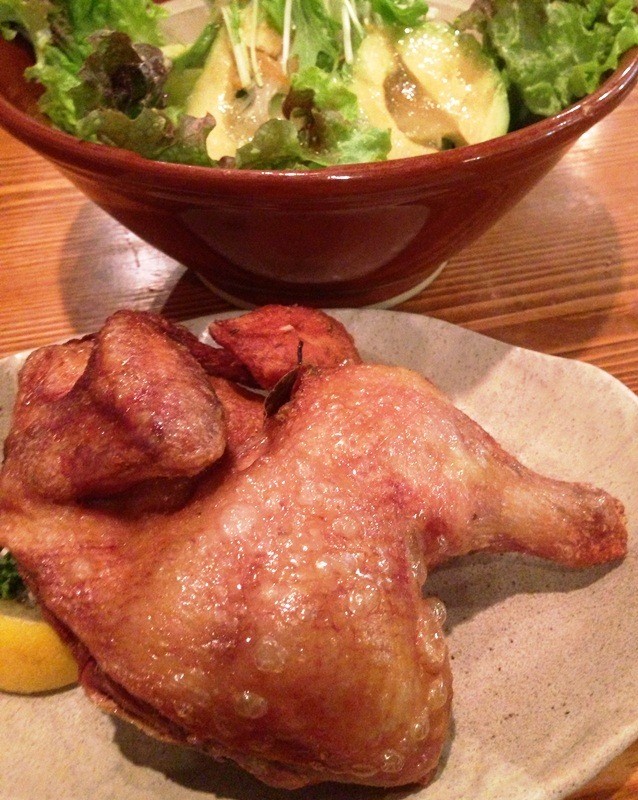
Meltingly tender char grilled Hokkaido chicken with an avocado salad.

RakuPotatoCroquettes

Unbelievably fluffy Hokkaido potato croquettes filled with melting Camembert cheese. Thanks for your recommendation Ernesto. They were delicious. As was the chicken. We had two servings if I remember correctly.

RakuPorkSkewers

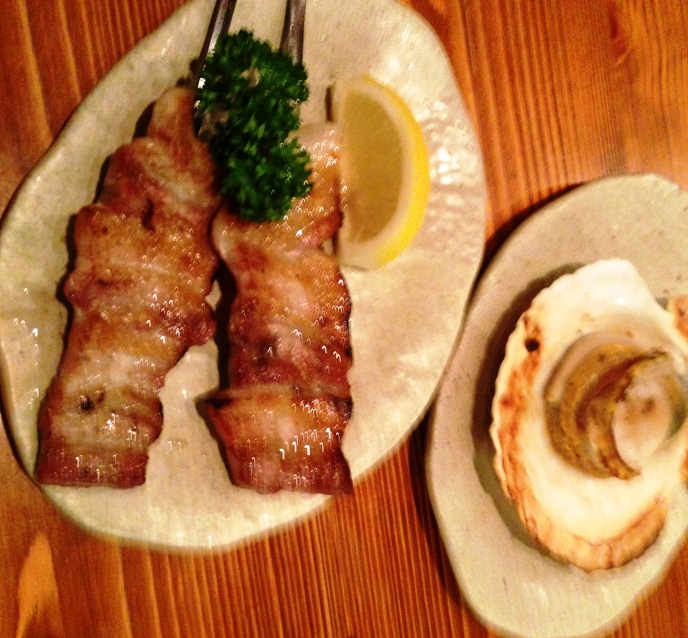
Char grilled pork skewers. And more of those plate sized scallops.

RakuEggplant

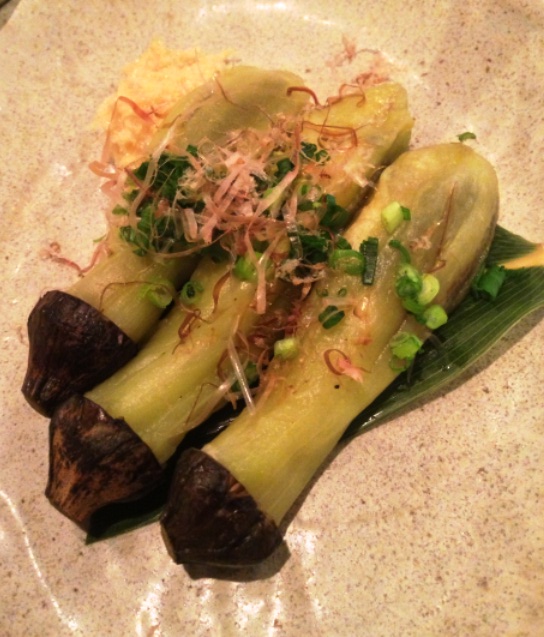
And last but not least grilled eggplant with a spicy, ginger dressing.

All in all we had a fabulous night. Fortunately, after eight straight days of skiing we knew we were having a rest day tomorrow. Most definitely a wise decision.

Posted in What I Love to Drink, Where I Love to Eat | Tagged , , , , | 2 Comments

Boyoso. An Authentic Japanese Lunch. On Piste. Soba Noodles With Broth and a Tempura Prawn.

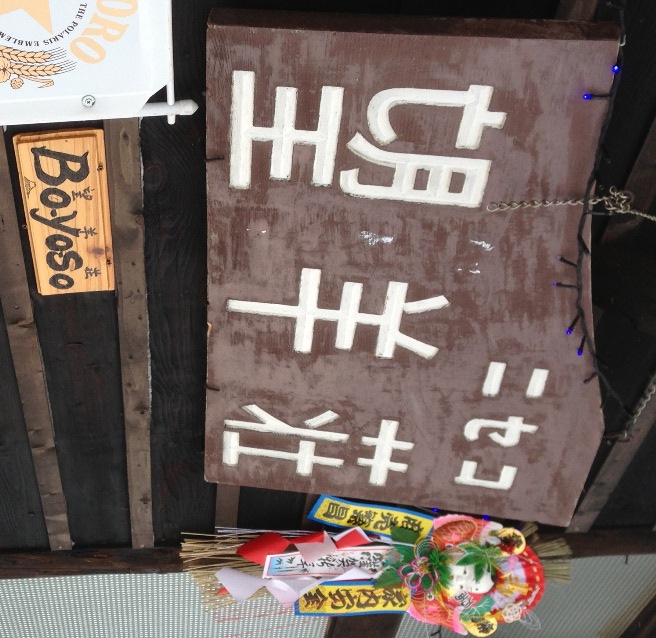
Boyoso

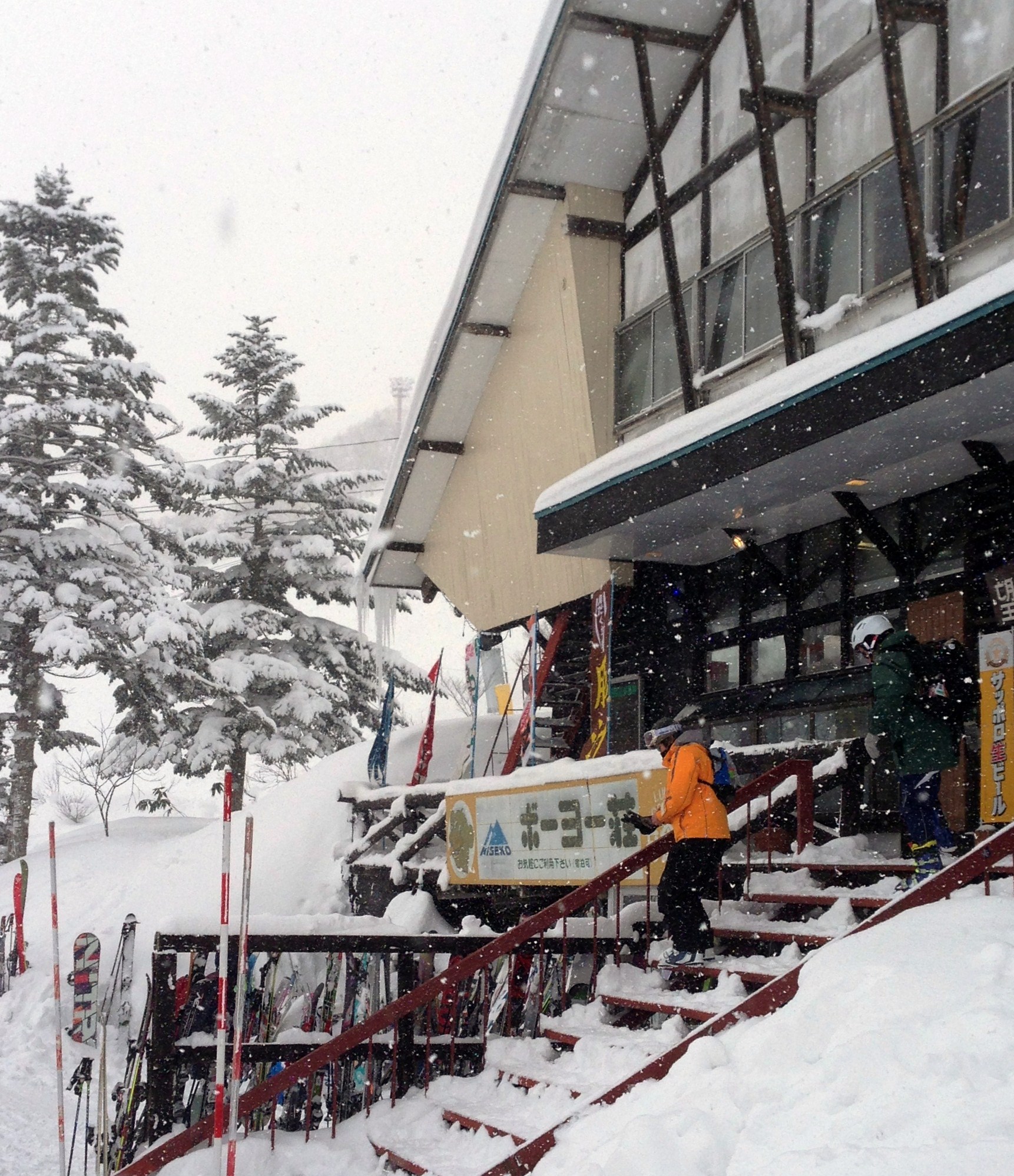
Boyoso. A log cabin tucked away halfway up the hill under the Grand Hirafu Gondola. By day its one of Niseko’s few, family operated on hill restaurants and by night its the resort’s only on hill accommodation. Quaint and very cosy. Accessed by the Holiday Pair Chair Lift and a brief traverse. I’m assuming any overnight visitors would not have very much luggage. Perhaps just a backpack!

Boyoso Welcome

Boyoso was originally built in 1965 as a safety hut for people who lost their way on the mountain. Well before the Gondola Station was installed. For the skier it is easily accessed for a very authentic Japanese lunch via any of the runs under the King Quad Chair and of course the Gondola. Operated by Toshimi and Hiroko Funaba since 1986 its about as ski-in, ski-out as it gets.

Boyoso Entry

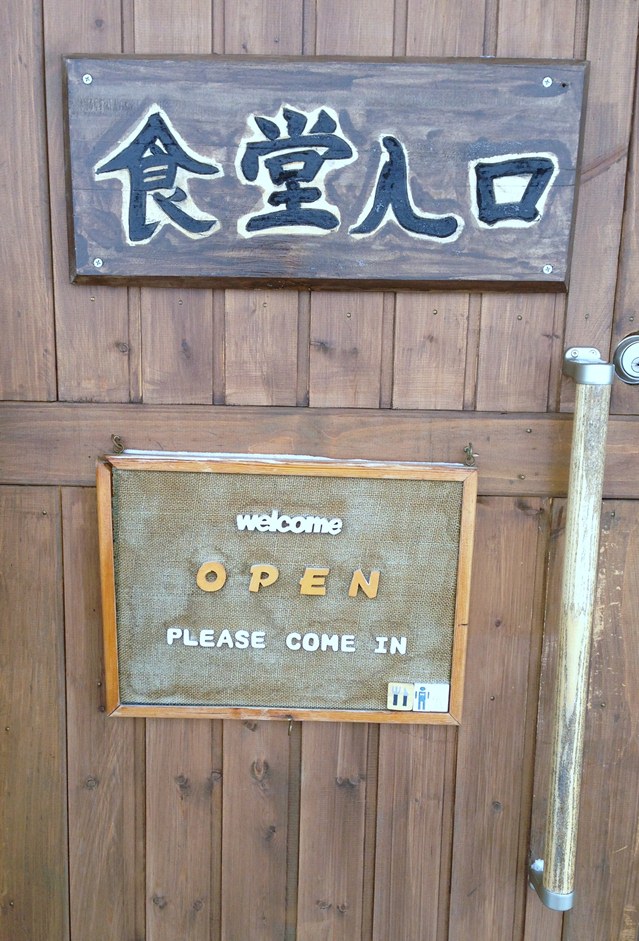
Inside it is welcoming but rustic. A wood stove in the middle of the room adds ambience and warmth.  The perfect place to dry your snow covered gear as you enjoy a Japanese lunch of ski hill favourites. Think soba, udon, curry, ramen and donburi. Hot tea is complimentary and in true Japanese style there is also an array of vending machines offering a large selection of beverages in a can. From beer and sake to soft drink and coffee.

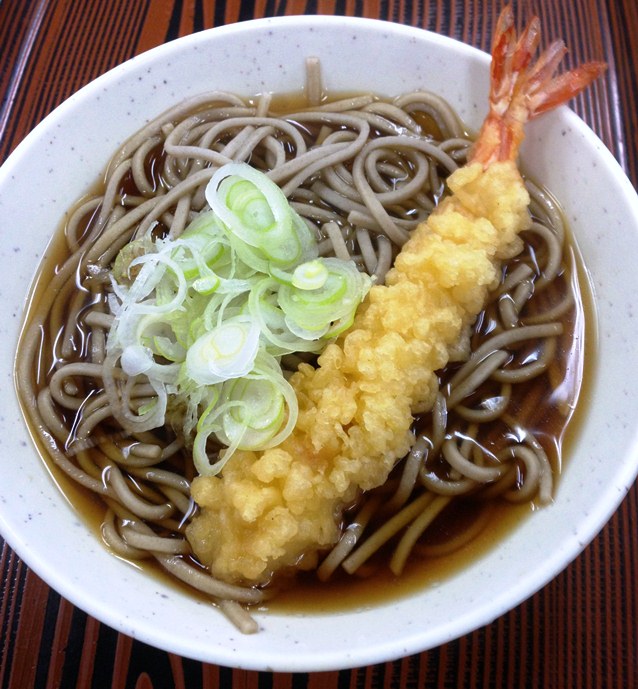
My favourite? Ebiten Soba. That’s soba noodles in a dashi, soy and mirin broth with a single tempura prawn. Warming, delicious and satisfying on a cold winter’s day.

Boyoso Ebiten Soba

Soba Noodles in Broth

As luck would have it I came across this recipe last year. Dashi is an essential Japanese stock made from konbu (dried kelp) and katsuobushi  (bonito flakes). Whilst it is quite easy to make up at home, instant dashi in granule or powder form is available at Japanese grocery stores here in Kutchan and at home in Australia. Make up dashi into stock as directed by the instructions on the packet. Shichimi togarashi, a spice mix, is also available at Japanese grocery stores.

To recreate my Boyoso lunch at home I like to top my Soba Noodle Broth with a tempura prawn. And you guessed it – these are also available pre-packaged in the freezer section of Japanese grocery stores.

2 litres dashi
1/2 teaspoon salt
125 ml Japanese soy sauce
1 1/2 tablespoons castor sugar
2 tablespoons mirin
350 gm dried soba noodles
2 spring onions, thinly sliced on the diagonal
shichimi togarashi (seven spice mix), optional

COMBINE dashi and salt in a saucepan and bring to a rolling boil over high heat. Add soy sauce, sugar and mirin. Stir until the sugar dissolves. Bring the mixture back to a rolling boil, reduce heat to medium low and simmer for 20 minutes.
MEANWHILE cook dried soba noodles according to the instructions on the packet. Drain and refresh cooked soba noodles under cold running water.
DIVIDE the soba noodles among four deep noodle bowls and ladle over the hot dashi broth. Top with spring onion and shichimi togarashi and serve immediately.

Posted in Soup, What I Love to Cook, Where I Love to Eat | Tagged , , , , , | 3 Comments

Ringing the Happy Bell. My 100th Post.

Happy Bell

In honour of my hundredth post I have decided that I am going to ring a happy bell. There are three of these dotted over Niseko resort. It is said that ringing these bells will bring you luck. I certainly hope so.

Here is the happy bell situated high up on the mountain just below the 1000 Metre Hut. Today its the easiest one to gain access to.  It’s particularly cold and windy. The temperature has dropped to a very chilly -15 C. As we caught the chair lifts up the mountain it progressively became colder and colder. It may have been still and calm in the village this morning when we set off, but up here on the mountain it’s an entirely different story. I don’t even want to think what the wind chill factor might be. And there is only one way down. On our skis or snowboards.
Ringing that happy bell in this weather is no mean feat. I’m praying I make it down the mountain safely and in one piece so I can actually write this hundredth post. One of our friends fractured his ankle a few days ago in conditions far kinder than this. I certainly don’t want to join him propped up on the sofa watching the skiers and snowboarders under the gondola run from our lounge room window.

This hundredth post has crept up on me. Stealthily. Late last September I waded into this brave new world of blogging with a vague idea that I would post my favourite recipes for family and friends. In truth I had  no real idea of what I was doing or what to expect. The journey has become addictive, exhilarating and strangely therapeutic.

Along the way I have discovered some amazing blogs and made new cyber friends. Thank you to everyone who has visited my blog. All my Email, Google, Facebook and WordPress followers. Thank you too for all the likes, comments and constant encouragement. I am inspired by you and seem to learn something new every day.  My husband asked me the other day what I was going to do when my ideas for recipes dried up. I laughed and said that would never happen as there is always something new and interesting just up ahead and around the corner.

Posted in Musings & Inspiration | Tagged , , , , | 4 Comments

An Alpine Dinner. Swiss Fondue. Niseko Style.

Fondue

Each year we catch up with our dear friends Motoko and Ernesto and their boys for our traditional Swiss Fondue night.  Prepared by Ernesto.  It’s truly delicious and something we very much look forward to. On their wall is a photo of both families enjoying a fondue dinner many years ago. The children look so very small and dare I say it we all look so much younger. How very quickly time passes.

True Swiss fondue is prepared in a special pot called a “caquelon”.  A  glazed ceramic or earthenware pot durable enough to withstand  heat. It is said that eating from the same caquelon establishes friendships. It’s true! We can certainly vouch for that.

Once the fondue has been prepared on the stove, the caquelon is set up on the table top over a small burner. Whilst its important to keep  fondue bubbling away over the flame, care also needs to be taken to make sure the mixture does not overheat. This means skewered cubes of bread need to constantly be forked through the fondue. Whatever you do, avoid dropping your bread from your fork. This will incur a penalty. To be determined by your hosts.

When the fondue is finished, the hardened cheese at the bottom of the caquelon, la religieuse is considered a tasty reward for the lucky diner who manages to release it from the pot. As you can probably guess, over the years, our families  have spent many pleasant hours around Ernesto’s caquelon.

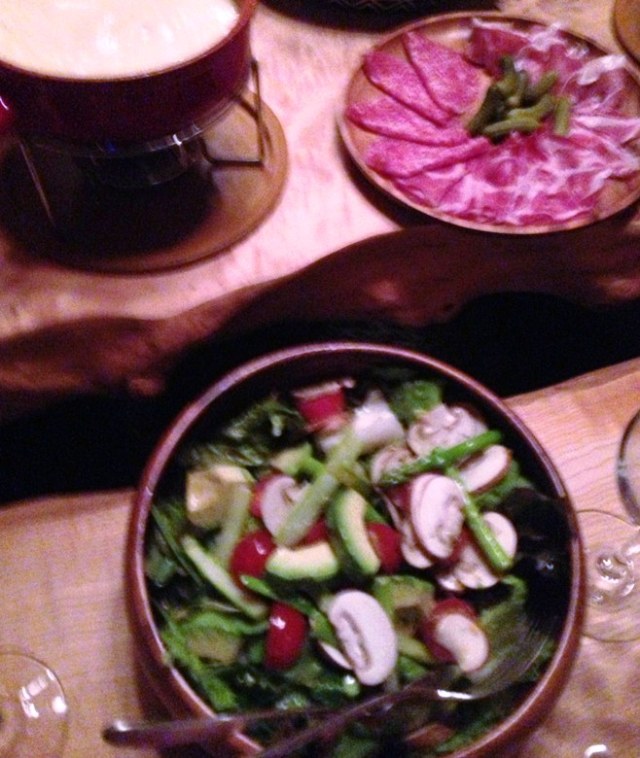
As Ernesto prepares the fondue,  the table is set with gas burners and  separate platters of  cubed bread  and cured meat with cornichons

FonduePlatters

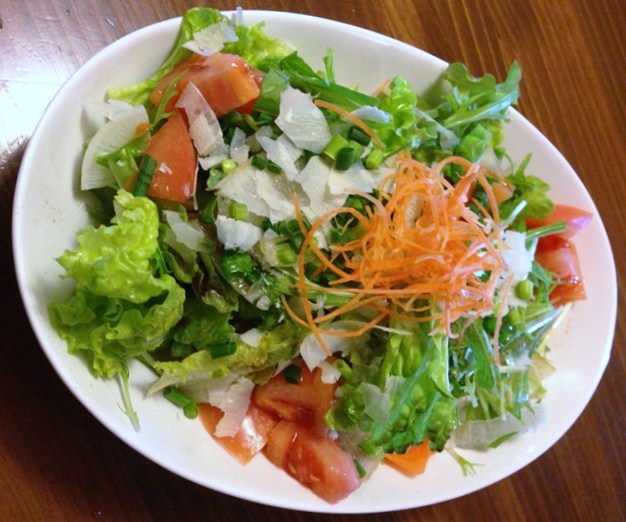
There is also an accompaniment of a mixed green salad.

FondueSalad

Simple but delicious and incredibly warming on a cold winter’s night. Here’s my interpretation of a fondue dinner.

Cheese Fondue. Swiss Style

Serves 4 -6

500 grams Gruyere, coarsely grated
300 grams Emmenthal, coarsely grated
1 tablespoon corn flour
1 – 2  cloves garlic
375 ml dry white wine
4 tablespoons Kirsch (Cherry Liqueur)
Pinch freshly grated nutmeg
Freshly ground pepper

Accompaniments

2 loaves crusty French baguettes, cubed for dipping
200 g cured meats, thinly sliced
1 small jar cornichons
1 green garden salad

TOSS the cheeses together.
RUB the inside of a caquelon with the cut garlic clove.
MIX the wine and 2 tablespoons Kirsch with the con flour.
ADD to the caquelon and bring to a simmer over a medium heat on the stove top.
ADD handfuls of the cheese, 1/2 a cup at a time.
SIMMER, stirring constantly until the cheese has melted and is warm and smooth. Not hot and overheated.
ADD the remaining 2 tablespoons Kirsch if the mixture is too thick.
SEASON with nutmeg(if using) and pepper, to taste.
PLACE the caquelon over a gas burner on the table. Adjust the flame so that the cheese stays warm and at a constant temperature while eating.
SERVE at the table with accompaniments.
INVITE your guests to place a small piece of bread on a long handled fork. Stir it gently in the cheese. Remove onto a plate. Enjoy.

Posted in Cheese, What I Love to Cook | Tagged , , , , , , , | Comments Off on An Alpine Dinner. Swiss Fondue. Niseko Style.

One Way to Work Off Those Christmas – New Year Overindulgences. Climb the Peak. Mount Annupuri, Niseko.

Family Run Chairlift

A blue bird day in Niseko. Begins with a gentle ride up the first slope. Pretty isn’t it?

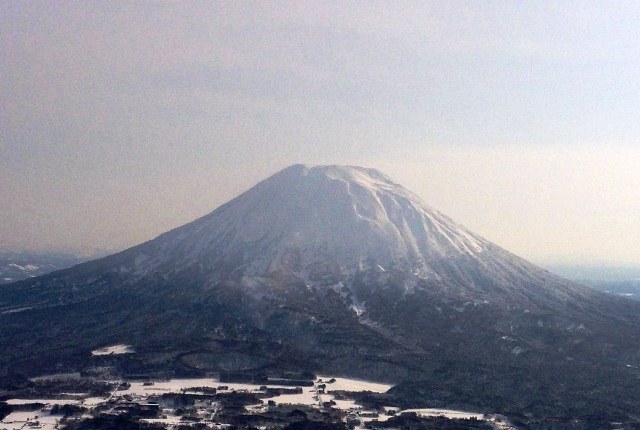
FamilyrunThen we catch another two lifts. The Ace Quad Chair and the Hooded Triple to the top of the very picturesque Rinkan run. On a day like today standing high up on Mount Annupuri we can see across to the magnificent Mount Youtei. In its foothills are the villages of Kutchan, Niseko and Hirafu.

Hirafu Mt Youtei

The adventurous amongst us turn around and eye Mount Annupuri Peak. The gate is open. The thing to do in Niseko on a clear  day is to take a ride in a rickety single chair lift –  The King Ace #4. The seat is the size of a dinner tray. There is no restraining bar to speak of. Just wrap your arm around the pole that connects the seat to the cable. I wish I had a photo. If I manage to get one I will post it. I promise. This chair lift of sorts only takes you halfway to the peak. Then it’s a 20 minute hike, carrying your skis, to the top of Mount Annupuri. Elevation 1,308 metres above sea level.

To put all this in perspective. Here’s a map that gives a fairly good representation of the four skiable faces of the mountain. Working from left to right there are four separate but linked resorts. Annupuri, Higishiyama (now referred to as Niseko Village), Grand Hirafu (the largest mountain village) and my favourite Hanazono. Our route? Starting point. At the very bottom at Grand Hirafu. Finishing point. For the adventurous. The Peak.

Here is what the climb to The Peak looks like. From my vantage point below.  A pilgrimage of very determined ants.

The Peak Climb 2

The attraction? First tracks in fresh powder snow. Now that is one way to work off all that Christmas – New Year overindulgence!

The Peak First Tracks

Posted in Musings & Inspiration | Tagged , , , , | 2 Comments

A Taste of the Sea. Ezo Seafood and Oyster Bar. Hirafu, Niseko.

Last night we visited Ezo Seafood and Oyster Bar. Run by our friend James and his wife Keiko it offers a wonderfully authentic dining experience of all things seafood. James is passionate about his produce and sources it directly from coastal fisheries and the Sapporo wholesale market. The emphasis is on the seasonal and fresh. Think king red taraba crab legs, freshly  shucked oysters, gigantic Hokkaido scallops, sweet clams, calamari, rough cut sashimi, smoked salmon, umi and ikura. Simply and authentically cooked. It’s incredibly delicious. Each and every bite.

We somehow always manage to squeeze in two visits to this Aladdin’s cave of seafood. A quick chat with James about what’s in season and we are set for a wonderful dining experience. Our only request is that our oysters be served tempura style with a ponzu dressing. Not exactly on the menu but James is always obliging. I think they were served as a special once many years ago.

And here is last night’s selection. Washed down with the ubiquitous Sapporo beer of course.

ezo crab

King Red Taraba Crab Legs with a Ponzu Dipping Sauce

ezo clam soup

Clam and Mushroom Soup with Sake and Soy

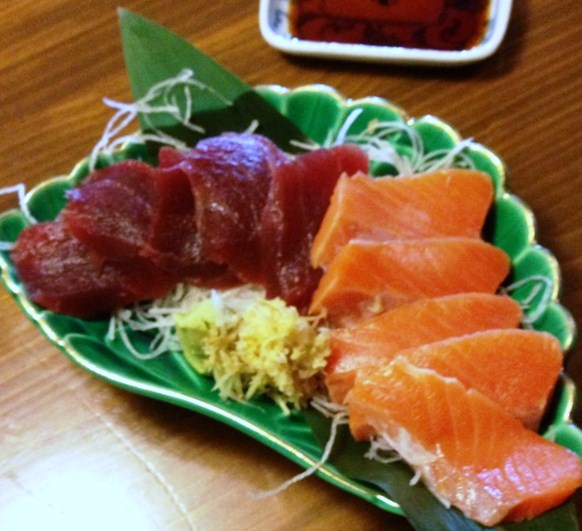
ezo sashimi

Rough Cut Tuna and Salmon Sashimi.

ezo tempura oyster

Tempura Oysters with a Ponzu Dipping Sauce

ezo hokkaido potatoes

Fried Hokkaido Potatoes.

ezo salad

Green House Salad.

Posted in Where I Love to Eat | Tagged , , , , , , , , | Comments Off on A Taste of the Sea. Ezo Seafood and Oyster Bar. Hirafu, Niseko.

A Taste of Niseko. By Anthony Bourdain.

After two days of snowstorms and limited visibility we had a glorious blue sky day today. Perfect for powder skiing. So we hit the slopes early and skied all over the resort from Hanazono to Annapuri. I have some wonderful photos to share with you when I get the time and the weather doesn’t play havoc with my internet connection.

Yesterday I came across something else very special to share.  A  youtube  clip showcasing Niseko’s fabled powder snow and two of Hokkaido’s food specialities. Yakitori and soba. Courtesy of American chef, author and television personality Anthony Bourdain.  In February 2011 Anthony and his No Reservations crew visited Japan  just weeks before the devastating earthquake and tsunami.

If you love skiing and Japanese food take a look at the video. Then you will understand why we keep returning to Niseko. Year in. Year out. I hope you enjoy it as much as I did.

Posted in Musings & Inspiration, Where I Love to Eat | Tagged , , , , , , | 1 Comment

Dinner at A-Bu-Cha. Sukiyaki. Traditional Japanese Beef Hot Pot.

a-bu-cha suki yaki

My how quickly the weather can change. Yesterday it was unseasonably warm and raining. Today temperatures dropped to -10 C and a snow storm set in. As luck would have it the Hooded Triple Chair opened just as we reached mid station and we were lucky enough to ski first tracks in knee-deep powder. Unfortunately it was a total white-out and we couldn’t see where we going and it was mighty cold as the wind picked up. Fortunately we knew the run well enough to make it down the mountain in tact. We then spent almost an hour thawing out at King Bell Hut. All I can say is that when this snow front passes and the weather clears the skiing will be sensational.

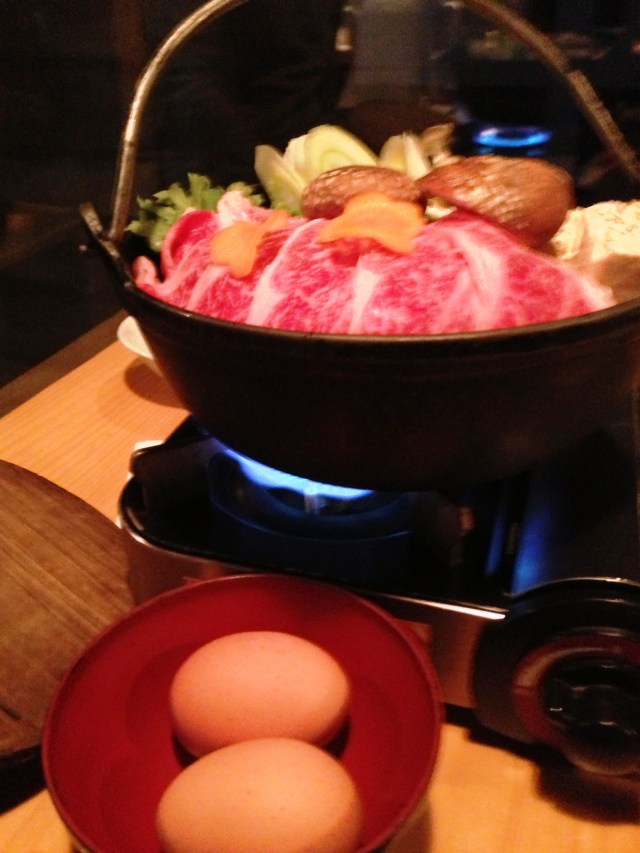
Last night we had dinner at A-Bu-Cha. Bakery by day and modern izakaya by night. Somewhat of a Niseko stalwart. The draw-card? Sukiyaki. Thin slices of beef and vegetables simmered in a hot broth nabemono style. In traditional Japanese izakaya style there was a whole array of other dishes before we reached the main event. Beautifully presented. All washed down with local Sapporo Beer.

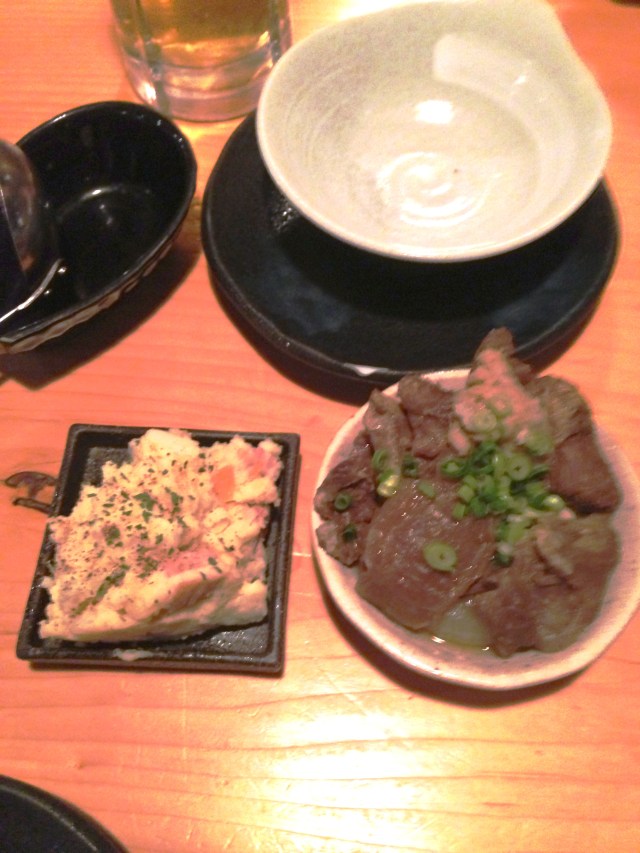
Complimentary appetisers were served in little dishes. Braised beef with turnip. Grilled salmon folded through mashed Hokkaido potatoes.

a-bu-cha appetisers

Followed by Grilled Hokkaido Charcoal Chicken.

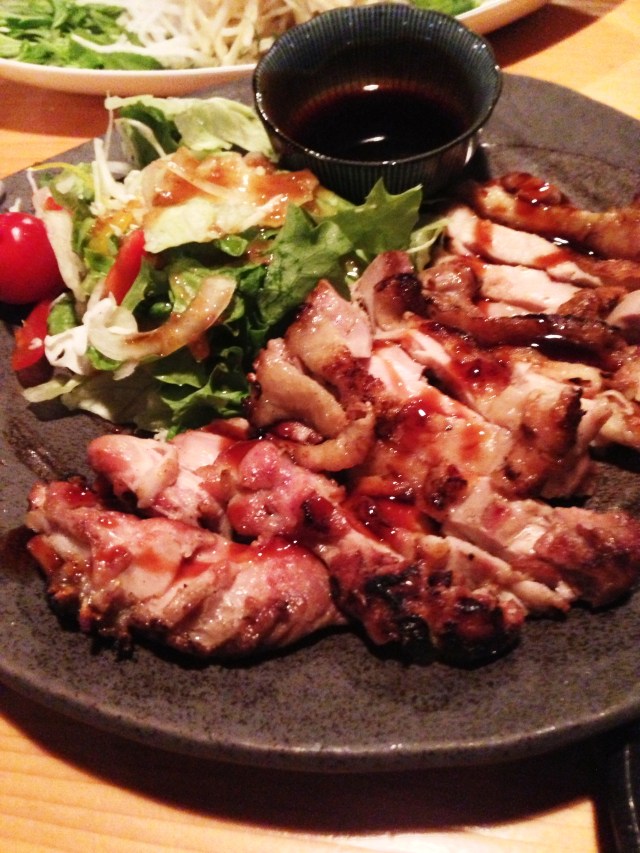
a-bu-cha main

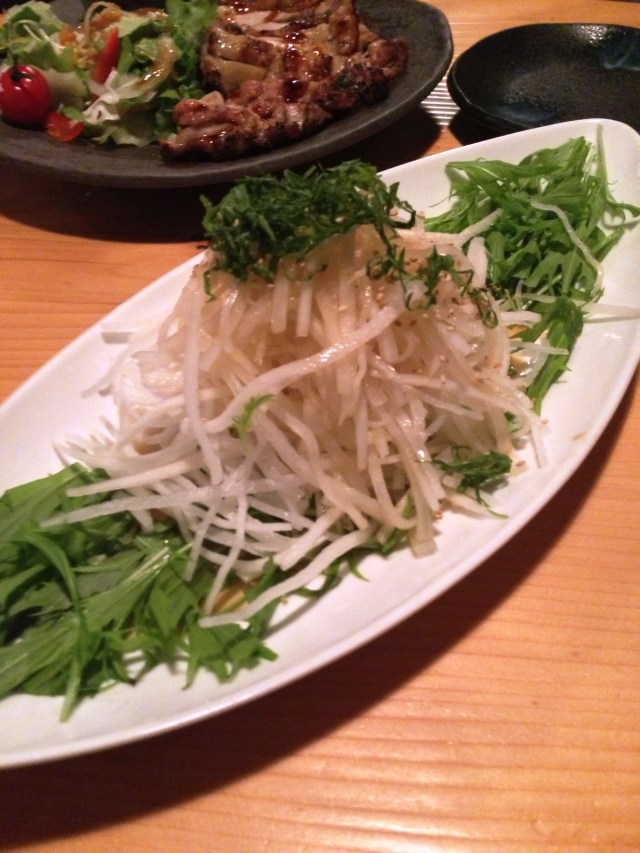
And a Japanese Radish and Shiso Herb Salad.

a-bu-cha salad

Finally the piece de resistance. Sukiyaki with Shiraoi or Prime Hokkaido Beef. Kanto style.  With all the ingredients added together into the cast iron pot. To simmer  in a deliciously rich salty-sweet sugar and soy broth . Lightly beaten raw eggs were served as a dipping sauce for the sukiyaki ingredients.

a-bu-cha suki yaki

One pot meals in the nabemono style are extremely popular in Japan in the cold winter months. Popular for their simplicity and healthy cooking style. Nabemono is the term used to describe meals  prepared at the table in a  pot over a portable gas ring. For a little taste of Japan at home, here is a sukiyaki recipe you might like to try at home. A trip to the Japanese grocery store might be in order to source some of the more exotic ingredients.

Sukiyaki

Serves 4 as a main

600 g beef sirloin, very thinly sliced
250 g fresh shirataki noodles
8 fresh shiitake mushrooms, stems discarded and a cross-cut into the top of each
2 baby leeks or 4 spring onions, cut into 2 cm lengths on the diagonal
1/2 Chinese cabbage, cut into 3 cm sections, keep the layers together
1 Japanese radish, sliced into thin discs
1 carrot, sliced into thin discs
300 g tofu cut into 3 cm cubes

4 small eggs for dipping
steamed rice as an accompaniment

For the Broth

500 ml dashi
125 ml Japanese soy sauce
80 ml mirin
1 1/2 tablespoons sake
2 tablespoons sugar

SET UP a shallow cast iron or ceramic pot over a gas burner or electric hot plate.
TO PREPARE the broth. Combine all the ingredients in a saucepan and bring to the boil. Pour into your cast iron or ceramic pot.
LAYER noodles, cabbage, carrot, radish leeks, mushrooms and tofu into the pot. Place beef slices on top.
COVER and cook for 8 – 10 minutes. Vegetables should be tender and beef just cooked through.
CRACK one egg into a small serving bowl per person and beat carefully with chopsticks. This is the dipping sauce for the cooked sukiyaki.
SERVE. In Japan sukiyaki is cooked on the dining table, and each person uses chopsticks to pick up the ingredients from the pan as they are cooked.
ASK guests to help themselves and dip each cooked ingredient into the egg if they wish. The residual heat will cook the egg.
AT the end of the meal serve the broth with steamed rice to finish the meal.

Posted in Beef, What I Love to Cook, Where I Love to Eat | Tagged , , , , , , | 4 Comments